
Imagine you invite an esteemed speaker to give the keynote address at your event but when you introduce her, you mispronounce her name.
Small event planning mistakes like this can derail even the best-planned event. But with a little preparation, they’re totally preventable.
If you want to look like a pro and pull off a great event from start to finish, here are the ten most common event planning mistakes and how to avoid them.
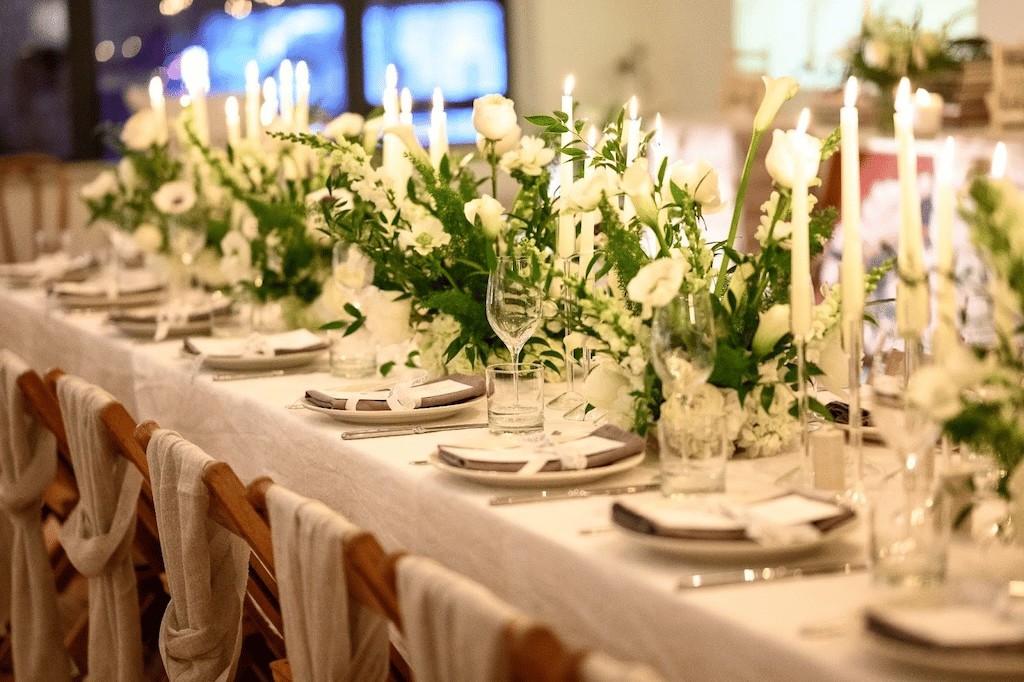
Falconeri Dinner, Apollo’s NYC. Photo by Zach Hilty / BFA.com ⓒ BFA 2026
1. Neglecting the budget
Not sticking to the budget is one of the most common pitfalls. Event budget overruns can affect everything from fundraising goals to ROI, so it’s important to start with a detailed budget and stick to it. Include a contingency fund (10-15% total budget) to account for unanticipated expenses that may arise.
To avoid overspending, commit to the most critical elements first. For example, don’t sign a contract with a high-profile speaker or entertainer until you’ve confirmed what the venue, catering, and other absolute essentials will cost.
2. Skipping steps in the planning process
The best events are meticulously planned, step by step. After all, an event planner’s to-do list is extensive: booking the venue, overseeing design, hiring catering, orchestrating transportation, arranging AV elements, communicating with guests, and dozens of smaller details in between. Missing even one item can throw off your entire event.
You can’t afford to wing it or assume you’ll remember everything when the time comes. Use a project management system or a shared list (like our 21-step event planning checklist) to track progress and hold yourself and your colleagues and partners accountable. Delegate tasks to different team members to keep the workload realistic and manageable.
One of the biggest event planning mistakes is selecting the wrong venue, so it helps to research exceptional event venues in NYC before making your final decision.

The Cultivist and Bella Union Holiday Party with Eduardo Sarabia, Casa Madera, West Hollywood, California. Photo by Nina Fernandez / BFA.com ⓒ BFA 2026
3. Not prioritizing the guest experience
For professional event planners, prioritizing the guest experience is also about personalizing the guest experience. This includes creating seating charts to encourage comfort and positive interactions. Custom invites, personalized messages, and handwritten thank-you notes are thoughtful touches guests will remember.
Tools like zkipster Audience can elevate guest management by helping you build detailed contact profiles over time that are customized for your organization or event. This makes it easier to enrich profiles while de-duplicating, sharing, building, and collaborating on guest lists in real time.
Don’t neglect to address dietary restrictions and accessibility needs. Offering diverse menu options and ensuring your venue is fully accessible shows your guests you’ve thought about their comfort.
Related: 6 ways to create a personalized event experience for every guest
4. Not communicating expectations
Clear communications are essential whether you’re communicating with guests, sponsors, vendors, team members, or event staff.
With guests, be explicit and upfront about key details such as RSVP deadlines and dress codes. With vendors and event staff, be specific about the standards and timings you need them to uphold, including when to arrive, when to set up, and when to break down. For your internal team, develop a pre-event staff briefing that spells out exactly what they need to know.

Filmmaker Winter 2025 Issue Celebration at Genesis House, NYC. Photo by Jason Crowley / BFA.com ⓒ BFA 2026
5. Overlooking logistics
Don’t make the rookie mistake of getting so caught up on venue choice, décor details, food and beverage options, entertainment booking, and swag bags that you overlook the logistics.
To keep your guests happy and the event running smoothly, ensure your event has:
- Clear, visible signage so guests can navigate the event with ease
- Ample restrooms that are clean and well maintained
- Sufficient parking close to the venue, or valet/shuttle service if it’s not
- A coat check (essential during winter months or inclement weather)
- WiFi for guests who want to post about the event on social media
Verify these details with your venue during your site visit and get confirmation in writing. What looks workable or spacious on a floor plan may fall short with actual crowds.
Skipping a detailed venue walkthrough is a common planning mistake that can lead to avoidable logistical issues on event day.
Another easily overlooked pitfall is choosing the wrong date or time of year for your event. Scheduling an outdoor event in extreme heat or bitter cold can tank attendance, while clashing with competing industry events could leave you fighting for your audience’s attention. Before you lock in a date, consider seasonal weather patterns and check for scheduling conflicts.
Related: 72 questions to ask when touring a venue for an event
6. Failing to streamline the check-in process
No one wants to wait in a long line to get inside an event, so streamline the check-in process to make an excellent first impression.
Event management platforms like zkipster prevent wait times with premium pre-registration, elegant QR codes, and kiosk mode options that allow guests to check themselves in. A VIP alert functionality sends discreet notifications to your event team when high-priority guests arrive so they can personally greet them at the door.
Should WiFi services fail on event day, zkipster is built with offline iOS and Android capabilities as a fallback that can be resynced once the connection resumes.
Learn more: 9 helpful tips for managing event check-in

Veuve Clicquot x Simon Porte Jacquemus Central Park Boathouse Event, Central Park Boathouse, NYC. Photo by Darian DiCianno / BFA.com ⓒ BFA 2026
7. Not having a backup plan
Every event should have a contingency plan. You need to be ready to troubleshoot any last-minute disruptions that could arise.
For example, what will you do if:
- You’re hosting an outdoor event and it rains?
- Audio fails before speakers or presenters take the stage?
- An entertainer doesn’t show?
Run through all the worst-case scenarios and have backup plans in place, including alternate vendors that can step in at the eleventh hour if necessary. Don’t forget to have both a security plan and a safety plan in place so guests are protected in the event of an emergency.
8. Not taking advantage of technology
There’s a reason why event industry pros have embraced technology: It makes the job easier and elevates the guest experience.
If you’re still manually creating guest lists or tracking RSVPs in spreadsheets, you’re wasting valuable time that could be better spent on other event details. Let software do the heavy lifting by taking the guesswork (and manual data entry) out of the planning stage.
Investing in event management software like zkipster simplifies and automates the event management process, including:
- Creating and sending invitations
- Collecting RSVPs
- Building guest profiles
- Streamlining check-in
- Analyzing metrics when the event is over
The time you save on administrative tasks will give you more bandwidth for creative decisions and guest experience details that help your event stand out.

The Contemporary Austin’s 12th Annual Art Dinner and Afterparty, Laguna Florida, Austin, Texas. Photo by Matthew Reeves / BFA.com ⓒ BFA 2026
9. Not testing AV equipment beforehand
Technical failures are one of the fastest ways to derail an event. Whether it’s a microphone that doesn’t work or a projector that won’t connect, AV issues are disruptive and can make even the most luxurious event feel unprofessional.
Test everything before guests arrive. Schedule a full tech rehearsal at least a day before the event to check:
- Microphones and sound systems
- Projectors and screens
- Lighting
- Presentation slides and videos
- Internet connectivity for live streaming or virtual components
Have backup equipment on hand, such as extra microphones, cables, adapters, and batteries.
It’s wise to designate a tech-savvy team member - or hire a dedicated AV professional - who can troubleshoot issues on event day. Make sure this person will actually be available to help (or have a second tech-savvy person who can swiftly fill in) if something goes amiss.
10. Not evaluating event success when the event is over
Don’t make the rookie mistake of thinking that when the event ends, the event is over. For the guests, it is. For you, it’s not.
Hold a post-event debrief with your team members and conduct follow-up with guests to understand everyone’s event experience. Top-tier event professionals analyze metrics about budget, spending, and ROI to determine if it was a financially successful event. They also review what guests had to say about the attendee experience to better plan future events with guests’ needs and wants in mind.
Related: How to track, measure, and improve your event ROI
Plan like a pro
These mistakes are common, but now that you know what to watch for, you’re already ahead of the game.
With the right preparation and tools like zkipster to streamline the process, even first-time event planners can run an event like a seasoned professional.