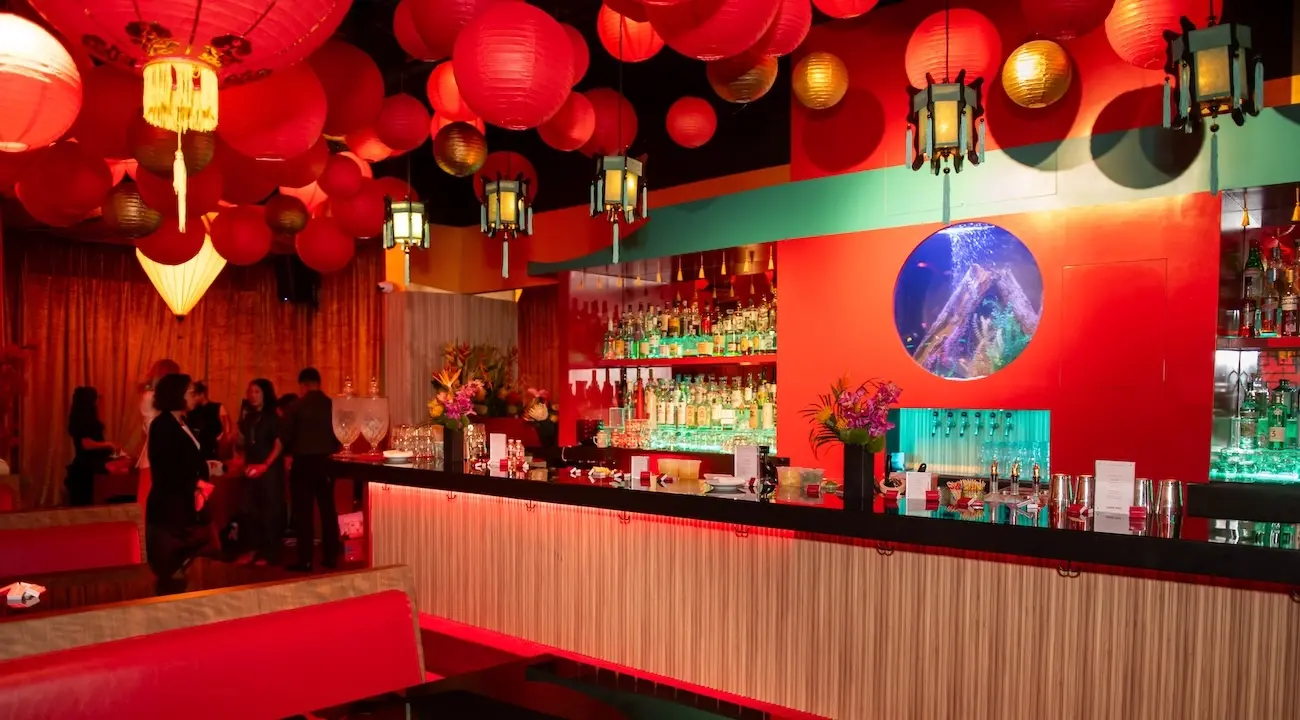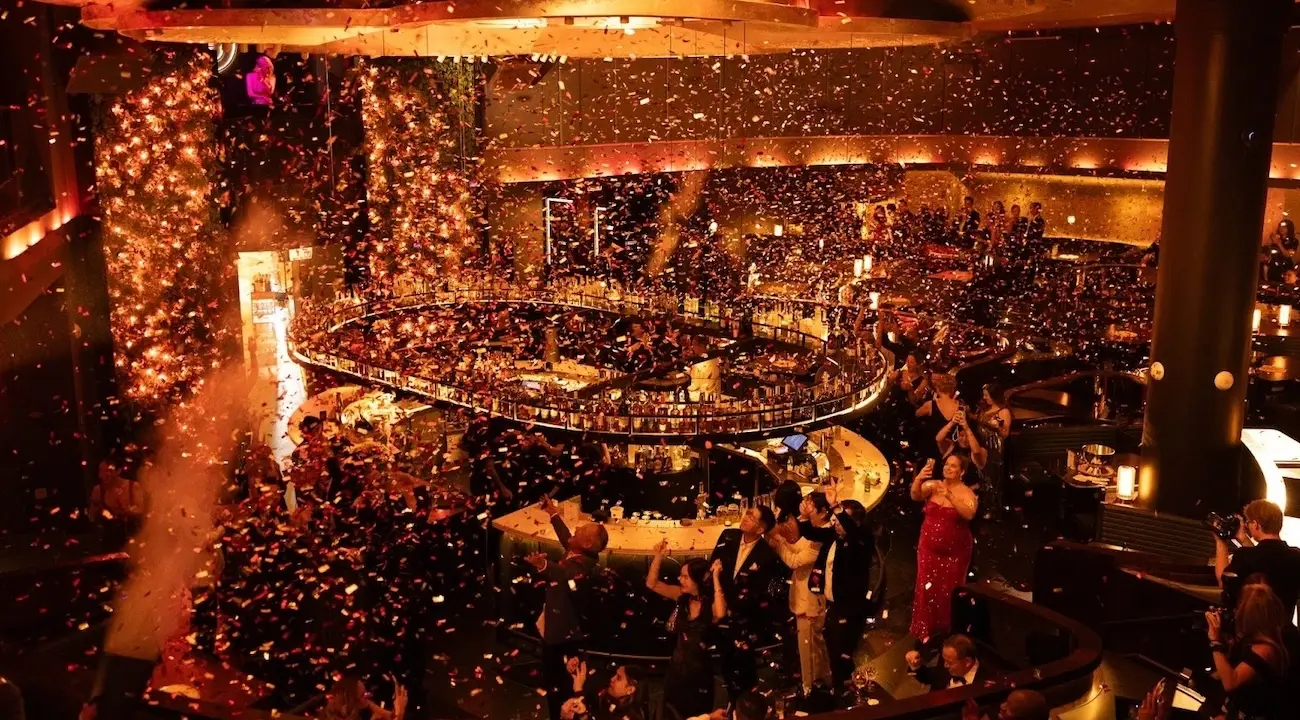
Searching for the perfect event venue doesn’t have to be stressful or time consuming.
Whether you’re planning a wedding, organizing a milestone anniversary celebration or throwing your first charity fundraiser or corporate retreat, knowing the right questions to ask venues when planning an event will help you land the perfect location every time.
Here are the 72 questions top-rated event planners ask before they book a space.
A few things to keep in mind
Before we reveal our question list, check out these additional tips for finding the perfect venue:
- Do your research about the venue in advance to make sure you ask relevant questions.
- Ask to see examples of previous events for reference.
- Don’t just consider the venue building and grounds, consider all the elements that go into making a great event.
- At the end of your tour, don’t forget to ask the venue this open-ended question: Is there anything else I should know?
When touring potential venues, consider if a dry hire might be an option. Renting a space without extra services, such as catering or staff, gives you complete freedom to arrange your own suppliers and customize every detail. However, be aware that this puts the responsibility for coordinating every aspect of the event on your shoulders, so it’s best suited for experienced event planners.
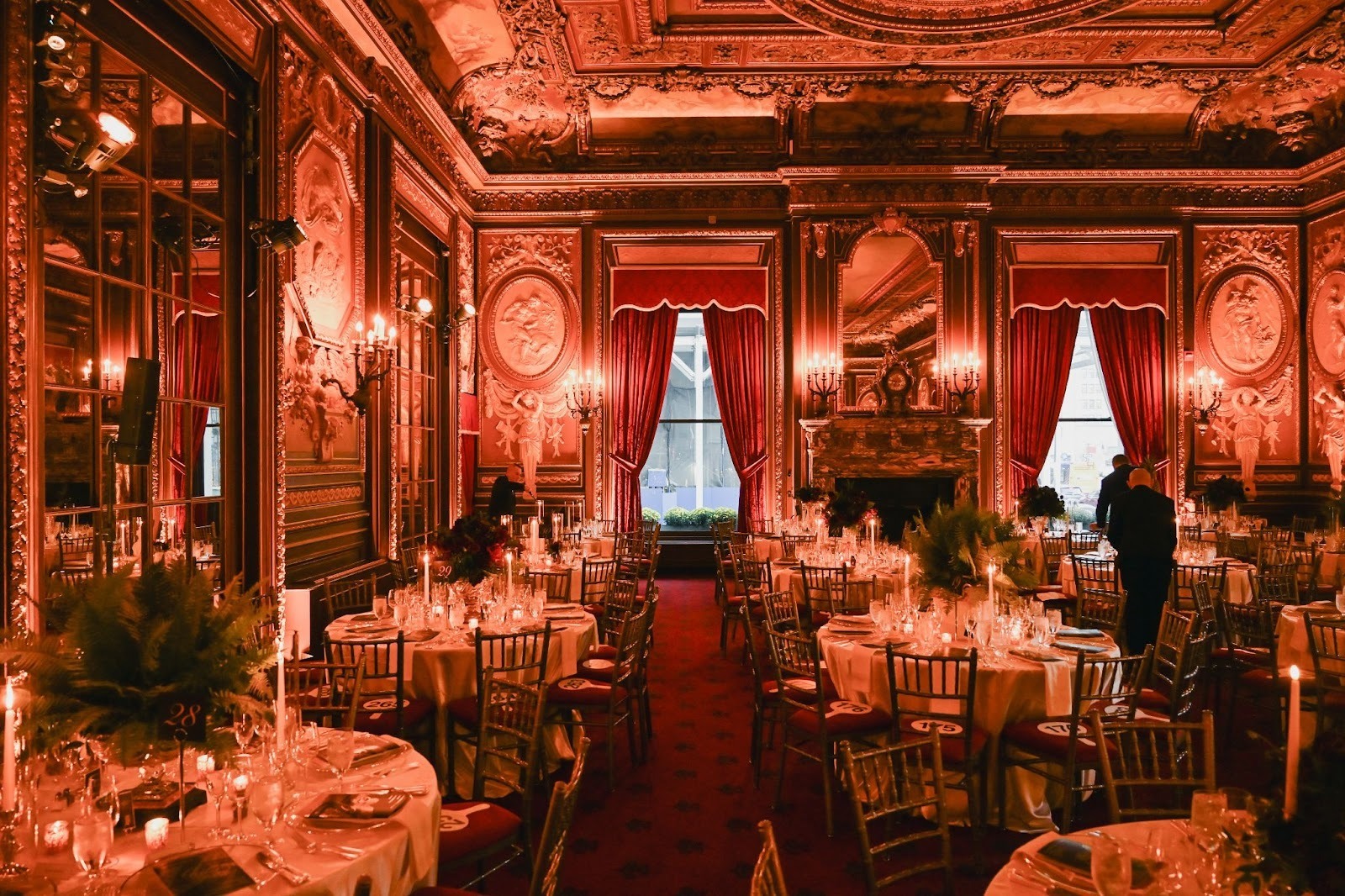
National Trust for Historic Preservation 75th Anniversary Gala, the Metropolitan Club, NYC. Photo by Peter Zwolinski / BFA.com ⓒ BFA 2025
Ask these questions to stay on budget
Some of the most important questions concern costs. Keep your budget in check by inquiring about all potential fees and expenses, including hidden ones. These include:
- What is the rental fee for the date, time, and duration of your event?
- Is there room for price negotiations or special rates for returning clients?
- What does the rental fee include?
- What is the booking policy?
- When are deposits due?
- Are deposits refundable?
- What forms of payment do you accept?
- What is the cancellation policy and is there a cancellation fee?
- What are the non-negotiable penalty payments for the venues if damage occurs, or if the event extends past the allotted time?
- Do I have to purchase my own liability insurance? If so, what coverage amounts are required, and can you recommend insurance providers?
- Are there hidden or additional charges?
Professional event planners check rental costs upfront so they don’t waste time touring a venue that’s out of budget. Before scheduling a venue walkthrough, check the venue’s website to see if they list prices. If not, call to ask if they can give you prices before the tour. Another option is to check online forums to get an idea of what other event planners have paid to rent the venue.
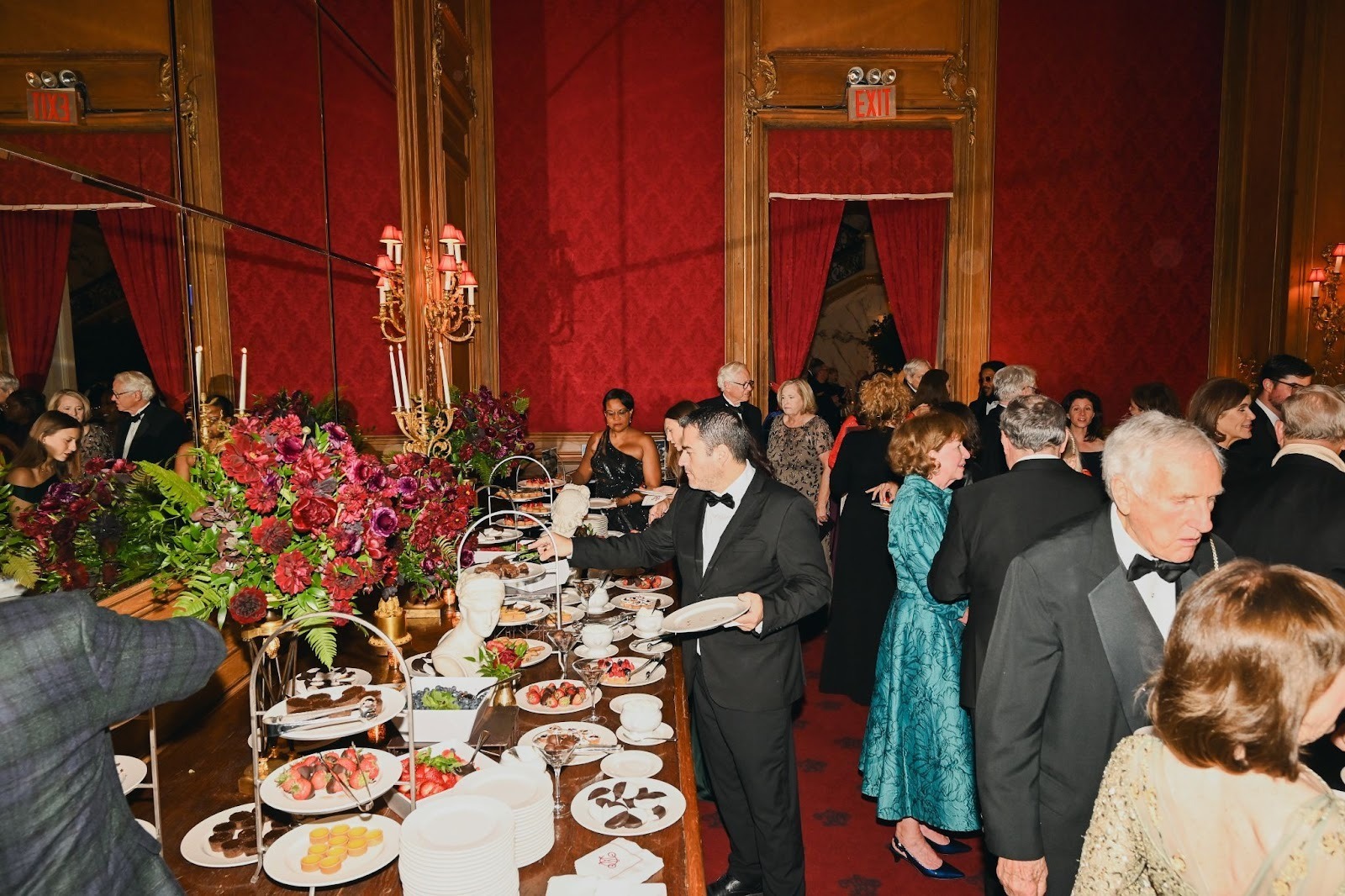
National Trust for Historic Preservation 75th Anniversary Gala, the Metropolitan Club, NYC. Photo by Peter Zwolinski / BFA.com ⓒ BFA 2025
Ask about food and beverage options
Many venues require you to use their in-house caterer, or work with a vendor from a list of approved suppliers. Know your options and what they will cost. Ask the venue manager:
- Can I choose my own caterer or are only pre-approved, preferred suppliers allowed?
- Is there an in-house caterer or approved supplier list of caterers who understand and have experience working the venue?
- If so, what specific services can the caterer provide?
- How much does the in-house caterer cost?
- Are different dining options available (i.e., buffet, full service, number of courses served, canapé service, dessert bar, etc.)?
- Is there a fee for using an independent caterer?
- Is there a food and beverage minimum spend?
- Are standard glassware, dinnerware, linens, and crockery included in the quoted price? Also, are upgraded options available?
- Does the caterer offer a tasting, and is it included in the cost or is it an additional expense?
- For BYOB events, is there a corkage fee?
Venues may offer many food and beverage options or none at all. If you intend to hire an outside caterer, work with experienced suppliers who will assess the kitchen facilities and confirm they meet their requirements, as this is one area where your caterer should take the lead.
Think about your event’s intended format, aesthetic, and flow. Before asking a venue about food and beverage options, ask yourself the following questions:
- Do you want to move guests around during food service with a buffet spread or dessert bar?
- Do you want to wow guests with a culinary spectacle, or let the food take a backseat to encourage networking or mingling among guests?
- Are you comfortable using the provided dinnerware and linens? For example, you may prefer special wine glasses to show off your wine offering, or a particular linen color to match your color scheme.
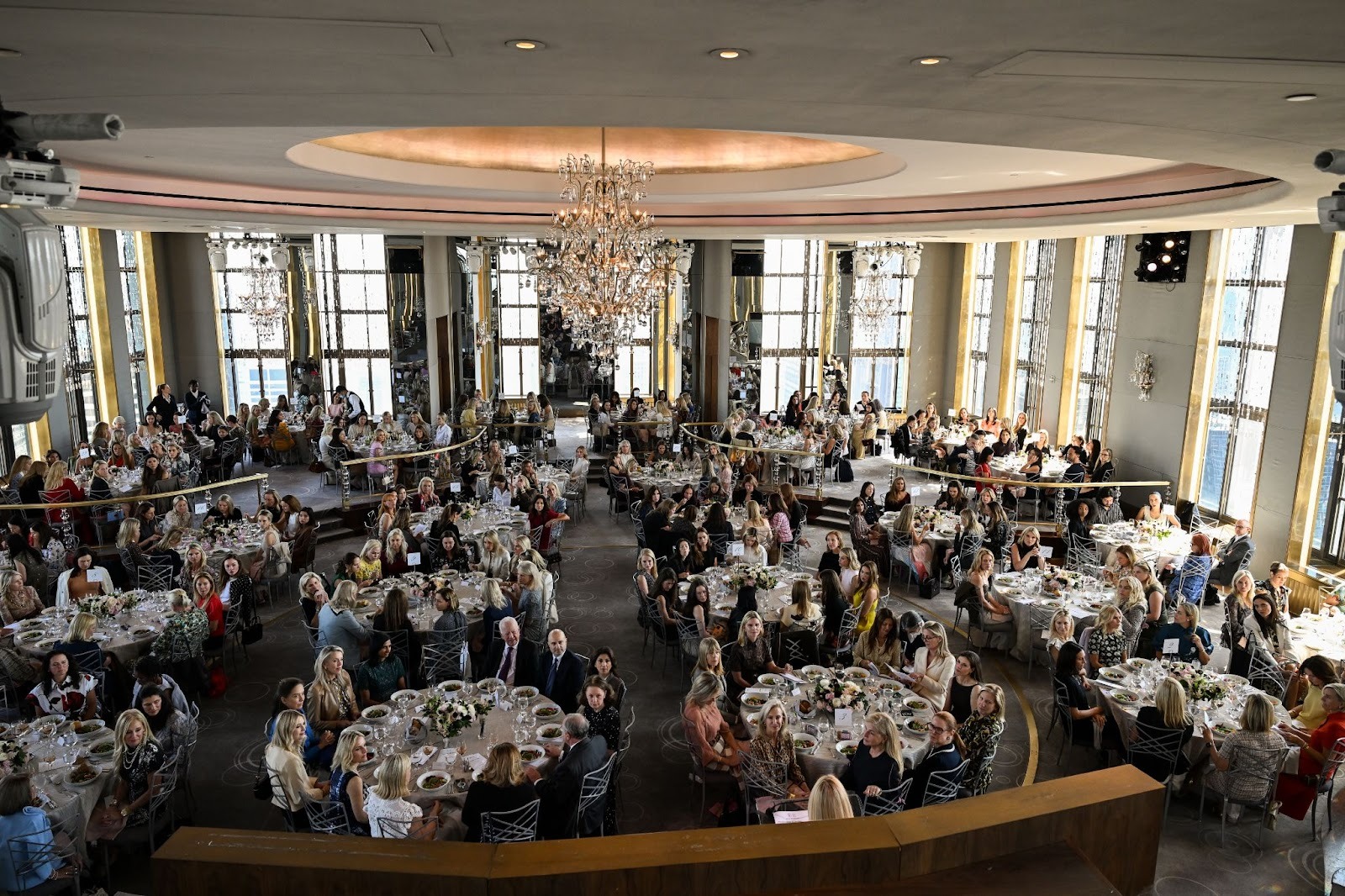
The Society of MSK’s 2025 Fall Lunch, the Rainbow Room, NYC. Photo by Zach Hilty / BFA.com ⓒ BFA 2025
Ask about the event staff
The experience and professionalism of your staff can make or break the event. Find out what, if any, staff are included with the venue and the caterer. Then, ask these questions to get an idea of the level of service the venue’s staff can provide:
- Do you provide back-of-house staff including porters, security, hosts, stewards, and clean-up crew?
- Do you provide front-of-house staff (bartenders and servers) or will the caterer provide those?
- How does the dedicated event staff at the venue typically work with event hosts?
- Can I bring my own event staff? Does the venue charge a fee if I source my own event staff (at any level)?
- How will event staff work with my check-in staff if I decide to bring members of my own team?
- Whether I use the venue’s own production services or hire an outside agency, is there an on-site production technician who can help if something goes wrong?
How the event staff looks and operates may or may not be critical to your event, but you should still consider your aesthetic and how that plays in. For example, do you want staff to wear a particular uniform, or for their clothing to have a particular style? High-end caterers, like Cellar Society, often recruit from high-end staffing agencies to deliver excellent food and a model staff.
Top event planners always obtain points of contact for all agencies and suppliers on their call sheet. While you may only need a handful of key contacts, the venue itself may need to liaise with all suppliers for full details of everyone they will bring in, for safety and security reasons.
Read also: A 9-point event safety plan to protect your guests
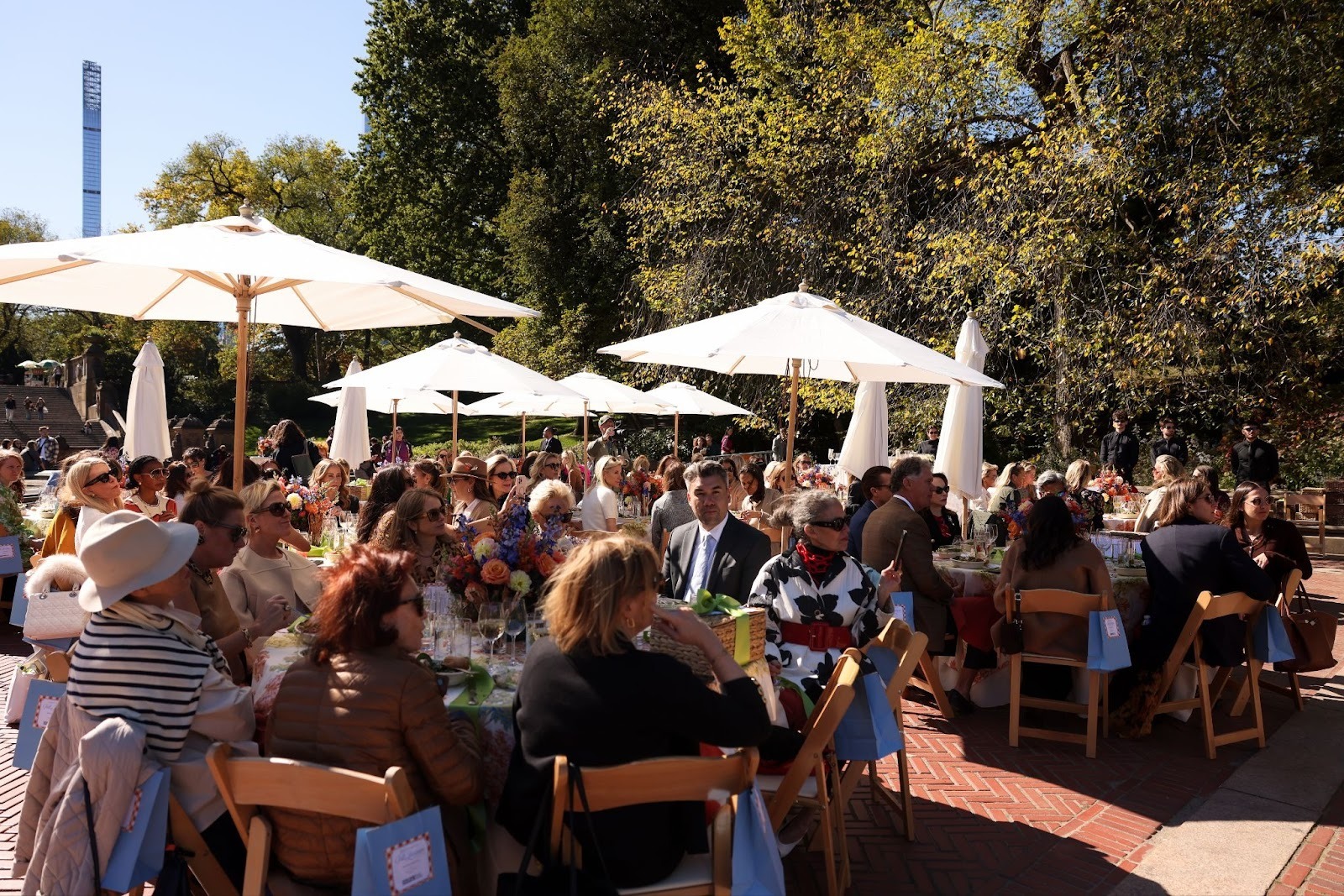
2025 Central Park Conservancy Women’s Committee Fall Luncheon, Central Park, NYC. Photo by Benicia King / BFA.com ⓒ BFA 2025
Inquire about the venue facilities
Choose a venue with physical spaces that support your event’s intended purpose and flow. Here are questions you can ask about to learn more about a venue’s facilities:
- Has the venue ever held a similar event? If so, ask for references.
- What types of spaces (i.e., indoor space, outdoor space, bar, reception hall, dance floor) are available?
- Is there a suitable number of restrooms and parking spaces to accommodate the total number of guests and staff?
- Is there an existing stage for speakers or presentations? If not, can one be assembled?
- What furniture is available for use?
- Are there additional costs for chair or table rentals?
- Can I bring in custom seating? If so, are there added costs?
- Is there a preferred supplier list for furniture hire, installations, or florists?
Be sure to consider total square footage, too. If the venue has multiple indoor and outdoor spaces, double check that you can fit all guests and staff comfortably and safely.
When evaluating capacity, layout, and guest experience, it’s also worth exploring these standout NYC event venues to find a space that aligns perfectly with your event goals and logistics.
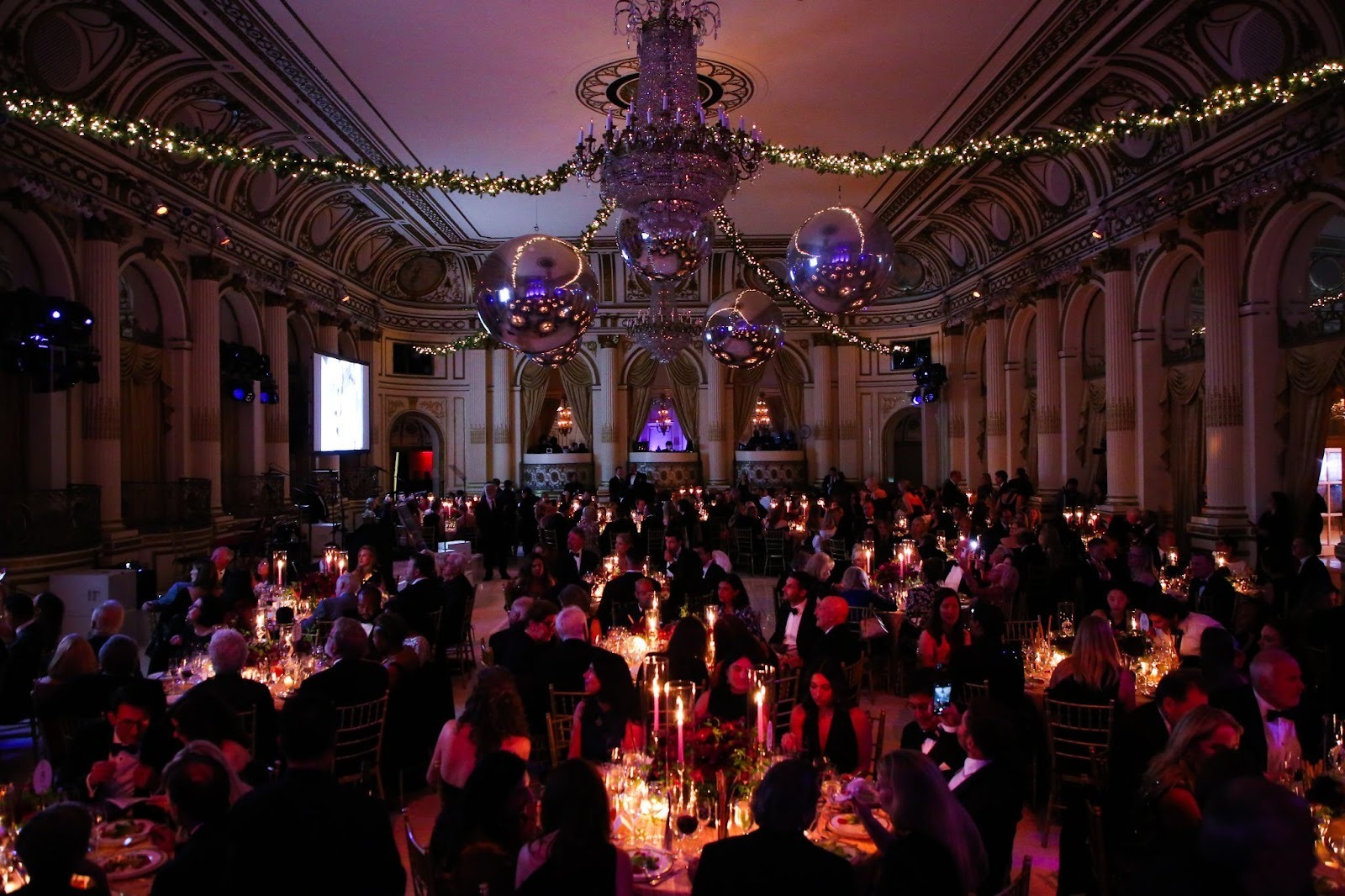
The Alzheimer’s Association Hosts the 41st Annual Imagine Benefit Built on the Legacy of The Rita Hayworth Gala. Photo by Madeleine Thomas / BFA.com ⓒ BFA 2025
Ask about the venue’s tech capabilities
There’s nothing like planning a fabulous event in a beautiful old building downtown, then discovering its limited electrical capacity won’t allow your DJ to set up their equipment. Ask these additional questions to ensure you can create the AV experience you desire:
- Can you meet our power requirements?
- What are the venue’s tech capabilities regarding WiFi, sound systems, microphones, cameras, projectors, and computers?
- Does the venue offer in-house tech? If so, what does it cost?
- Is there a preferred supplier list for audiovisual vendors who already understand the venue?
- Can I bring in my own audiovisual company? If so, is there an added cost?
- What type of internet connection does the venue use, and can you provide a guest WiFi network for check-in staff and guests?
- Is the venue equipped with generators for outside events?
That first question about power requirements is a big one, especially if your event revolves around audio or visual presentations. If you already have an outside AV company, ask them about their power requirements and the type of electrical setup they need. Then, confirm if the venue can meet those requirements or if it’s necessary to bring additional power sources.
When inquiring about WiFi capabilities, dig a little deeper by asking about the venue’s internet speed and connection type (fiber optic connections are faster and more reliable), the number of wireless access points available, and whether the venue can create a custom network specifically for your event. Read our article on how to evaluate venue WiFi connectivity to learn more.
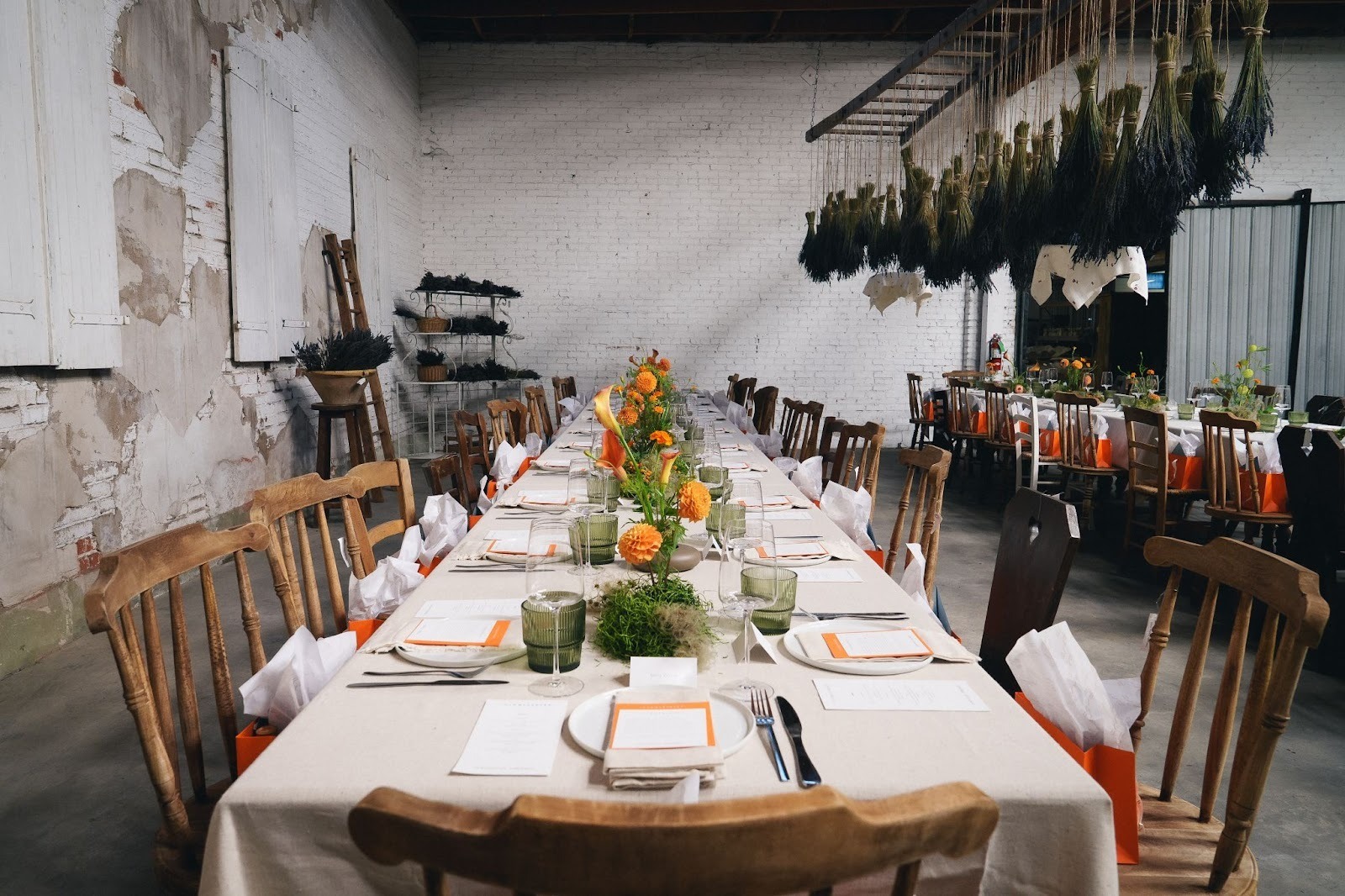
The Cultivist Dinner Celebrating Maria Maea with Savannah Friedkin, Olive Ateliers, Los Angeles. Photo by Victor Arriola / BFA.com ⓒ BFA 2025
Ask about venue accessibility
No matter the guest count, you want your guests to be able to reach the event and move around with ease. Confirm the event space offers sufficient mobility and travel accessibility by asking:
- What are the best ways to get to and from the venue location?
- Do you provide shuttle service to/from nearby hotels?
- Is there enough parking to sustain guests and staff?
- Are permits or tickets required to use the parking facilities?
- Are there parking attendants for valet service?
- Are there parking fees?
- Is the venue accessible and comfortable for those with limited mobility?
- Are there separate, secure entrances for VIPs?
- Is the staff entry/exit the same as guest entry/exit?
- Are entrances/exits staffed by personnel or security?
The more remote the venue location, the more important it is to ensure guests can access it. If you expect that most of your guests will drive themselves, include the parking facilities during your tour to verify they’re safe, secure, and accessible.
Pay special attention to accessibility provisions. Larger venues often have dedicated accessibility teams or hosts who meet and support guests with mobility needs, so ask if that service is available. Keep in mind that older venues weren’t always designed with accessibility in mind, so accessible entrances may be located at the back of house or through alternative routes.
Always gather info about accessibility requirements during the RSVP process so you can better coordinate with the venue and ensure all guests have an excellent experience.
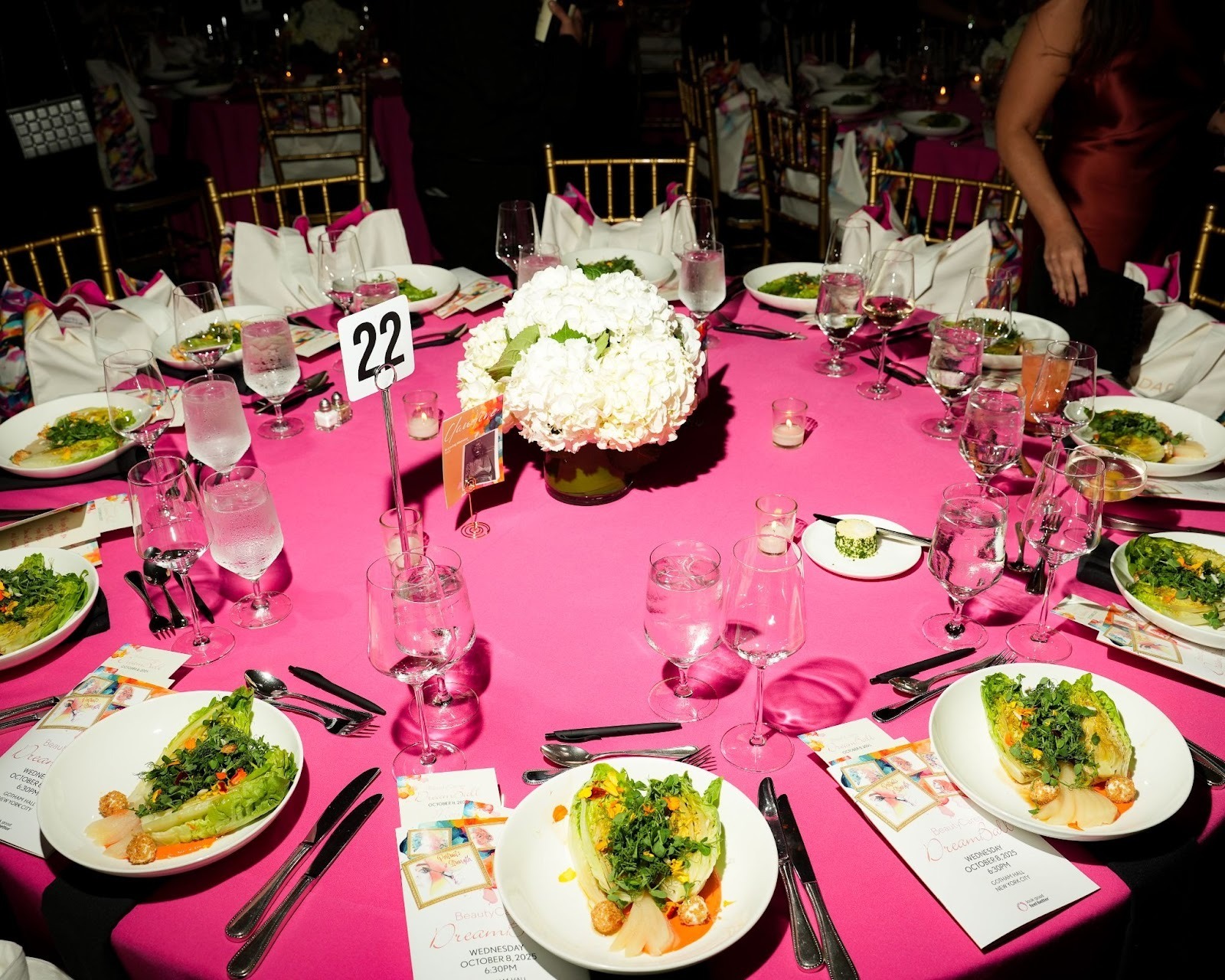
Beautycares Dreamball 2025, Gotham Hall, NYC. Photo by Miguel McSongwe / BFA.com ⓒ BFA 2025
Ask about logistics and setup
If you’re bringing any equipment, furniture, or large decorative items, confirm there are clear access points and large-enough entryways to accommodate the height/width of your elements. Helpful questions to ask include:
- Is there a freight elevator or convenient path to transport equipment, and/or furniture, to and from the space?
- Is there back-of-house space to store excess furniture and packing materials?
- Is there a designated space my team or production staff can use as a base during the event?
- Is there pre-event storage space for production equipment, lighting, sound equipment, or stages?
- On the day of my event, are there events scheduled before, at the same time, or after mine?
- How much time do you allow for setup and breakdown, and do you have a recommended process for managing setup and breakdown logistics?
- Where and when can goods be delivered in preparation for the event?
The amount of time you’re allotted for setup and breakdown will depend largely on the type of venue you choose. For example, if you’re throwing an event in a museum that’s open to the public during the day, you may have limited time to set up. You may also be subject to many more constraints than if you were to rent a private ballroom or dedicated event venue. In dedicated event venues, setup and breakdown times may be much more lenient.
Inquire about limitations and restrictions
The event-planning process has many moving parts, so help it run smoothly by learning if the venue enforces any limitations or restrictions. Ask questions such as:
- What is the venue capacity?
- Is there a curfew, and is it imposed by the venue and/or the local authorities?
- Is it possible to pay for extensions to allow the event to run later than the term of the venue’s license?
- Are there noise restrictions imposed by the venue or by the local government?
- Are there any types of décor that are prohibited?
- Are custom installations allowed? If so, are there any parts of the venue where they’re prohibited?
- Do you book multiple events at the same time? (Large hotels and venues often do this, which could impact your event’s sense of exclusivity and guest experience.)
- Are there any restrictions on rearranging the venue’s furniture layout?
- Are we required to use vendors from a preferred supplier list?
- Is there an indoor weather contingency plan if I rent an outdoor space?
- Are there any restrictions on food and beverages?
- Are there any restrictions on special effects like pyrotechnics, dry ice, smoke, or fireworks?
- Are real candles or open flames allowed? If so, do I have to use a specific type of candle holder?
Most venues do not place restrictions on the type of food and beverages allowed, but it’s not uncommon for museums and art galleries to prohibit things like red wine or turmeric, which could permanently stain or damage the artwork. Similarly, historic or listed buildings may have strict restrictions to protect their interiors.
Knowing what’s restricted is incredibly important, especially if you have your heart set on something like a wedding send-off with sparklers, table settings with flickering candles, or a dazzling fireworks display at the end of the night. Even something that seems simple, like hanging a disco ball from the ceiling, may be off limits at certain venues.
Don’t be afraid to ask questions, but do come prepared with the right ones. Beyond the general scenarios covered in this guide, make sure to ask specific questions pertinent to your event.
A good venue will be happy to answer your questions and contribute to your event’s success. Successful, well-received events benefit all parties involved, which means venues are as invested in your guests’ happiness as you are.
Header image: Cote Vegas Grand Opening Party Presented by Resy, the Venetian Resort, Las Vegas. Photo by Jason Sean Weiss / BFA.com ⓒ BFA 2025