
Nonprofit event management is no easy feat.
Event planners are expected to balance everything from finding sponsors to creating meaningful experiences. Success is measured not only by dollars raised, but also by donor relationships built and mission awareness spread.
The secret to nonprofit event management is to show up prepared. That means thinking beyond event logistics to consider how you can inspire donations and turn guests into passionate, long-term supporters of the organization’s cause.
Here’s an in-depth look at the 12 key steps to take before, during, and after your next nonprofit event, covering everything from initial planning to post-event follow-up.
Step 1: Define goals and create a timeline
Whether you’re trying to hit a fundraising goal, raise awareness, or celebrate a milestone, every event planner needs measurable, well-defined goals to keep them on track.
Align your goals with your mission
The first step in the nonprofit event planning process is to outline your event’s objectives. Your goals might include:
- Fundraising and acquiring new donors.
- Tapping potential to develop new donors.
- Increasing existing pledges or commitments.
- Maintaining or strengthening existing relationships with donors and trustees.
- Getting signups and capturing new guest details for your database.
- Raising awareness through community engagement, increased volunteer recruitment, or mission education and advocacy.
- Raising awareness for a specific initiative by planning an activation event with the goal of media exposure, engagement, and viral social media moments.
- Launching or completing a particular project.
- Celebrating a milestone or anniversary.
- Getting signups and capturing new guest details for your database.
Knowing your actual goals will help you with every step that follows, including finding a venue, creating the guest list, and selecting speakers and entertainment.

Swiss Institute Benefit Gala 2025, The Rainbow Room, NYC. Photo by Kevin Czopek / BFA.com ⓒ BFA 2025
Make your goals specific
Don’t be vague when setting objectives: goals are only as helpful as they are specific. For example, we want to raise X amount of money or we want to acquire X new donors.
Once you’ve set “SMART” goals, create a simple “mission alignment” checklist to ensure everything you do next aligns with the nonprofit’s mission. List every major event element (venue, catering, entertainment, speakers, decor, activities) and then ask “How does this connect guests to our mission?”
If you don’t have a clear answer, reconsider your choices or find a way to make the connection more explicit.
Set an event-planning timeline
For annual events, many event planners start planning a year in advance, or as soon as their current event ends.
The best venues get booked months (even years) in advance, so giving yourself a long lead time will improve your chances of booking the venue, caterer, and entertainers you want. This becomes even more true if you’re throwing an event during gala season, when you’ll be competing with countless other events.
Next, establish a clear timeline for every major event planning element:
- Securing the nonprofit board’s approval.
- Confirming major sponsors or pro bono supporters.
- Booking your venue, vendors, and entertainment.
- Sending invitations.
- Launching event marketing campaigns.
- Verifying the final guest headcount.
- Confirming vendors and volunteer assignments.

Crohn’s and Colitis Foundation 58th Annual Gala, The Edison Ballroom, NYC. Photo by Madeleine Thomas / BFA.com ⓒ BFA 2025
Step 2: Create a budget and look for funding
Donors and board members expect events to meet or exceed their revenue goals. Event spending pulls from your budget, but when done right, it can turn every dollar invested into several dollars for the nonprofit’s cause.
Factor nonprofit revenue goals into your budget
Before you start planning how to spend your budget, determine what your target net revenue goal is. For some nonprofits, a successful event means 60-70% of gross revenue. For others, it may be 30-50%.
With your revenue goal in mind, figure out exactly what percentage of your budget you can put towards each event element. For example:
- Venue: 20-30%
- Catering: 15-25%
- Marketing 5-10%
- Entertainment: 10-15%
- Décor and rentals: 5-10%
- Contingency fund: 10%
Explore funding sources and sponsorships
Securing the right sources and sponsorships can make or break your event budget, not to mention the overall success of your event.
Look for diverse sources of funding:
- Corporate sponsorships and partnerships.
- In-kind donations (venue, catering, auction items).
- Board member and trustee contributions.
- Personal networks and peer-to-peer fundraising.
- Grant funding specifically for events or programs.
- Ticket sales and registration fees.
- Auctions, raffles, and prize draws.

WELL/BEING’s 8th Annual FCB, The Un-Gala Gala, Dustin Yellin’s Studio, NYC. Photo by Quadir Moore / BFA.com ⓒ BFA 2025
Give sponsors a reason to support your event
When reaching out to sponsors, make a strong case for why they should choose your event.
Explain:
- Compelling information about the cause they’ll be supporting.
- Why your event will be special or memorable.
- What you offer that other organizations do not.
- Why they should want to connect with your guests.
- Why they might want to connect with other sponsors you’ve secured, or with your committee, board members, and/or trustees.
Do your research in advance. If the potential sponsor already supports a similar nonprofit to yours, they may not be the best option. Research their CSR strategy to identify any potential gaps or synergies.
Ask the event’s hosts, board members, and other stakeholders if they have specific sponsors in mind, as well as if they have connections to other potential sponsors who may be willing to give.
Verify sponsors align with the nonprofit’s mission
More and more companies are leaning into corporate responsibility. However, always do your due diligence to verify sponsors are accountable and aligned with the nonprofit’s goals, and not simply using deceptive marketing practices (such as greenwashing) to seem more responsible than they truly are.
Accepting the wrong sponsorships can damage a nonprofit’s reputation and alienate their supporters. Here are a few recent examples of how sponsor scrutiny has impacted the nonprofit sector:
- Fossil fuel money: Many art galleries, museums, and literary festivals now reject sponsorships from oil, gas, and mining companies, even though these industries have historically been major supporters of the arts.
- Tainted family fortunes: Some high-net-worth families are major cultural benefactors, but if the source of their wealth becomes controversial, institutions may need to distance themselves - which means the funding source will dry up.
The bottom line is that it’s a nuanced time for nonprofits to seek sponsorships. Carefully vet your potential sponsors’ public perception and values.
Create clear sponsorship packages with specific benefits
Attract sponsors for your nonprofit event by giving them options to participate. One way is to create gold, silver, and bronze-tier sponsorship packages that include placing the sponsor’s name in different locations at the event.
For example, gold sponsorship could include adding the sponsor’s name to a pavilion or prominent portion of the event, while bronze sponsorship could include listing the sponsor’s name in marketing materials.
Other sponsorship levels could include printing the sponsor’s name in digital marketing materials, social media posts, digital communications, and physical marketing materials such as step and repeats and welcome desks or welcome tents. To attract major donors, consider naming the event (or a segment of the event) after them in exchange for their sponsorship.

United Way Centennial Celebration 2025, Fair Park Automobile Building, Dallas, Texas. Photo by Victor Arriola / BFA.com ⓒ BFA 2025
Offer additional sponsorship benefits
In addition to promoting the sponsor’s organization, you can also offer sponsors:
- Employee volunteer opportunities that suit your vision.
- Corporate team-building activities related to your cause.
- Access to donor networks for business development.
- Additional year-round partnership opportunities.
Be attentive to your sponsors’ expectations and needs in the run-up to the event, as well as during and after.
Note that some sponsors may expect to bring guests of their own to the event, so it’s helpful to establish a guest quota/event package for sponsors up front.
To make the most of limited resources and maximize donor engagement, it’s important for nonprofit planners to understand the most common event planning mistakes to avoid when organizing an event
Seek in-kind donations
Event planners can also make use of product and service-driven sponsors to provide essentials like food, beverages, decor, favors, swag bags, and transportation. Actively seeking in-kind donations can significantly reduce cash expenses while building community partnerships.
You should also ask suppliers if they offer discounts for nonprofits, or if they offer better prices for non-peak days of the week (if your event date is flexible).
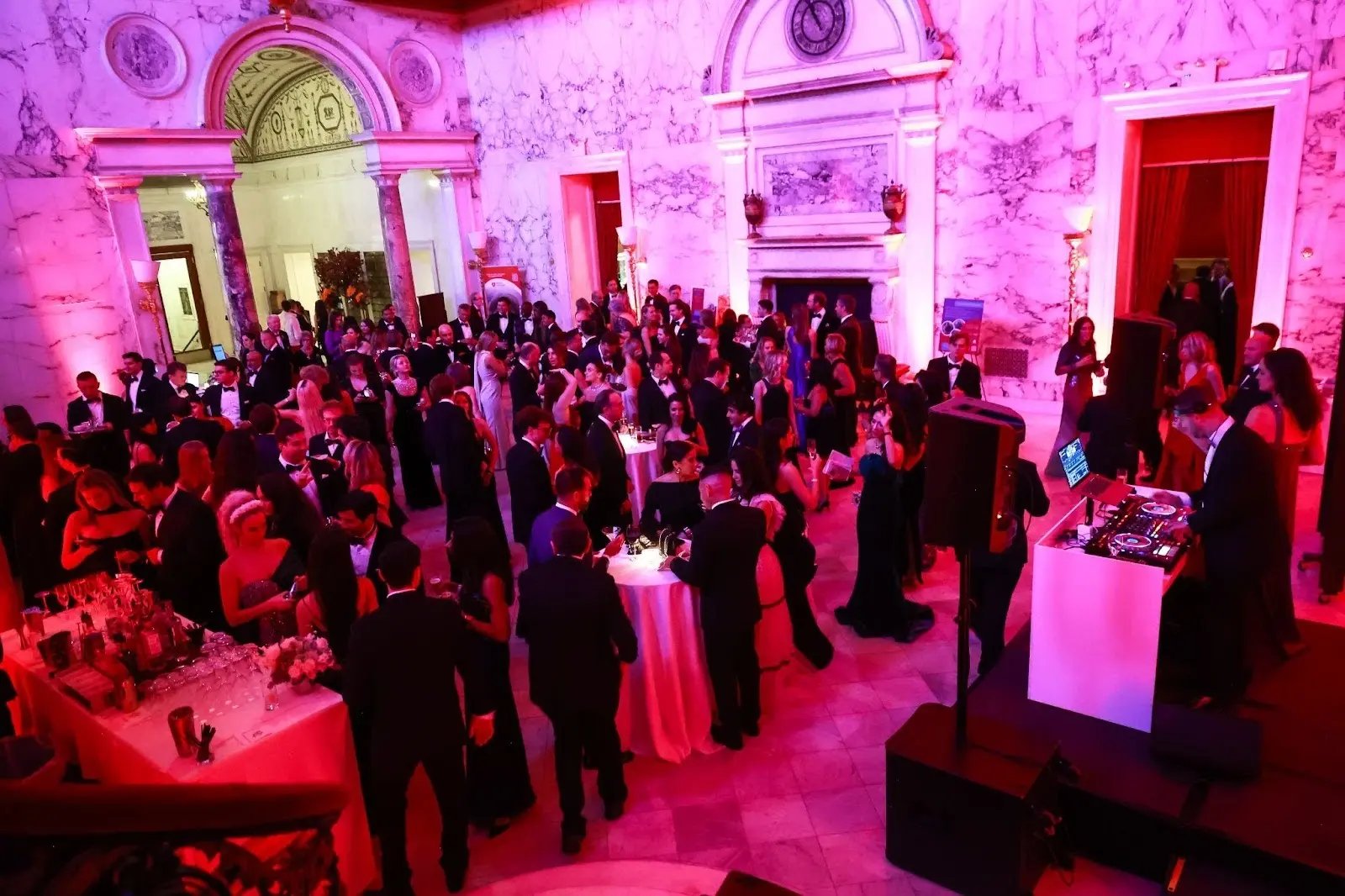
The St. John Committee’s White Cross Ball of New York City 2025, Metropolitan Club, NYC. Photo by Marc Patrick / BFA.com ⓒ BFA 2025
Step 3: Choose a venue that aligns with your nonprofit’s mission
Picking a venue is one of the most consequential decisions you’ll make. In addition to taking up a large part of your budget, the venue’s type and reputation may be seen as a reflection of your organization’s values, such as sustainability and accessibility.
Venue selection criteria
There are four major factors to consider when comparing potential venues for your nonprofit event:
- Venue size and capacity
- Budget
- Venue aesthetics
- Technical capabilities
Make sure the look and feel of the venue aligns with your vision, your client’s brand, and the organization’s values and mission. The right venue reinforces the nonprofit’s story: for example, a community health organization hosting at a local community center, or a youth arts nonprofit showcasing student work in a gallery space.
Learn more: 72 questions to ask when touring venues
Getting a good rate
Nonprofit and charity organizations can negotiate with venues to get preferential rates, but some will offer better discounts than others.
The date of your event can lower the cost of your venue hire, too. Wednesday and Thursday nights tend to be the most popular for galas, and Saturdays for weddings, so if you’re prepared to book a different night, you’re likely to get a better deal. If you book a Monday, it might be possible to get a great price on an excellent venue that would otherwise be out of budget.
Sustainability
Prioritizing sustainability is non-negotiable if the nonprofit works on environmental issues or seeks to improve its own sustainability efforts to attract donors.
Look for LEED-certified (Leadership in Energy and Environmental Design Council) green buildings to host your event, and sponsors and donors that are equally passionate about sustainability.
Accessibility
Making your event accessible means more people can attend and support its cause. ADA compliance is the legal minimum in the US, but a nonprofit organization that values accessibility may wish to go beyond that.
Look for:
- Sensory considerations: Quiet spaces, adjustable lighting, and low background noise for guests with sensory sensitivities.
- Transportation access: Close to public transit with accessible parking.
- Seating options: Not just wheelchair spaces, but also chairs with armrests, cushioned seating, and standing room.
- Clear navigation: Wide hallways, straightforward layouts, and large-print signage.
- Gender-neutral restrooms: Single-stall options or clearly marked all-gender facilities.
For venues outside the US, check local accessibility standards (like the UK's Equality Act), but don’t assume compliance means the venue actually works well. Visit in person or get detailed photos of entrances, restrooms, and pathways. Ask venue staff what accommodations they’ve made for previous events.
If you need budget-conscious alternatives
If you’re looking for venues that won’t break your budget, consider:
- Community centers or libraries with historic significance.
- University facilities that match your educational mission.
- Corporate HQs of sponsor companies.
- Outdoor spaces like gardens or parks that allow for tent rentals.
- Religious facilities that support your cause.
- Art galleries or museums offering nonprofit rates.
You can also think about venue partnership opportunities where the venue becomes a co-sponsor, providing space in exchange for recognition or promotional benefits.
Once you select a venue, use zkipster Seating to plan strategic table assignments that support networking and conversations that encourage donations.
If guests are encouraged to buy their own table to raise funds, provide table hosts with access to zkipster Share a Table, where they can decide on the placement and submit guest names, dietary requirements, and other important information prior to the event.
More venue considerations
If you’re planning an event with speakers, presenters, and entertainers, confirm that the venue has top-quality audio and video technical capabilities to accommodate your presentations.
If you’re looking to add some “wow” factor to the event, consider historical landmarks, private members-only clubs, and venues with limited public access to add a layer of luxury to your event, improve fundraising efforts, and include donor engagement.
Related: 21 A-list Los Angeles venues to host your event

The St. John Committee’s White Cross Ball of New York City 2025, Metropolitan Club, NYC. Photo by Madeleine Thomas / BFA.com ⓒ BFA 2025
Step 4: Finalize the guest list and send invitations
The success of your entire event depends on who you invite and who attends. Don’t leave out key people, but be careful not to invite so many guests you exceed your catering or venue budget.
Invite guests that help you meet your event goals
Creating a guest list goes beyond inviting current donors and trustees. Here’s who you should include:
- Existing donors and board members
- Major donors and longtime supporters
- Esteemed guests or VIPs
- Volunteers
- Current program beneficiaries and their families (who can also make powerful guest speakers)
- Local business/community influencers
- Peer nonprofit leaders for networking
- Media contacts for awareness building
- People potentially being considered for board memberships or advisory committees
A strong event branding strategy can also help nonprofit events stand out, reinforcing the organization’s mission while creating a cohesive experience that resonates with donors and supporters.
Create donor segments in your guest list
Use zkipster Audience to not only build your guest list, but also manage contacts in a comprehensive database. Its powerful tagging and segmentation tools can help you capture nuanced information to create donor segments, such as:
- Major donors: These high-value supporters should receive VIP treatment, including premium seating, personal acknowledgment from leadership, and exclusive access to speakers or behind-the-scenes experiences.
- Regular supporters: Recognize their ongoing commitment through public thank-yous, special badges or ribbons, or invitations to participate in the program (such as lighting a candle or sharing a brief testimonial).
- Potential new donors: Strategically seat them with current donors who can share their personal connection to your cause, answer questions, and encourage them to get more involved.
- Community members: Offer accessible pricing tiers (including free or reduced-cost tickets) and ensure the environment is welcoming for first-time attendees who may be less familiar with your organization.
Use event software to send invitations and track RSVPs
When it’s time to send invitations, rely on nonprofit event management software to design and send invitations and collect RSVPs.
zkipster Communications allows you to design and send invites and gather RSVPs with ease, create custom mobile wallet passes with QR codes to allow for a streamlined check-in process, and manage attendee data to track arrivals in real-time on the day of the event.
The zkipster platform includes a host of other event management tools and customizable options to aid you with everything from creating seating charts to speeding up the event registration process to analyzing your metrics post-event.

The St. John Committee’s White Cross Ball of New York City 2025, Metropolitan Club, NYC. Photo by Madeleine Thomas / BFA.com ⓒ BFA 2025
Step 5: Market your nonprofit event to the proper audience
How you market your event depends largely on your event goals, guest list, and whether it’s a public or invitation-only affair.
Public events
If the event is open to the public, market it with a sense of urgency to get as many ticket sales or registrations as possible early on. Local press and social media are the easiest and most effective ways to encourage potential event attendees to purchase tickets.
For mission-driven awareness events or community gatherings, consider free event ticketing to remove financial barriers and maximize attendance. Free events attract people who might not otherwise interact with your organization, building a broader base of potential future donors, supporters, and volunteers. You can still capture attendee information through registration forms and encourage donations at the event itself.
Invitation-only events
If the event is invitation only, consider the type of guests you’re inviting to guide your ticket pricing. For example, higher-priced tickets make sense for a luxury charity event or fundraising gala, but not for a nonprofit fundraising event seeking public donations.
Tiered pricing
Offer tiered pricing to give your guests options. This can include:
- Early bird discounts to encourage advance sales.
- Student/senior rates for inclusivity.
- “Sponsor a seat” options for donors to help bring in more community members.
More nonprofit marketing strategies to keep in mind
A proven marketing strategy for nonprofit organizations is to focus messaging on the event’s impact, rather than just the event experience. You can do this by sharing specific stories about how funds raised will make a difference.

The St. John Committee’s White Cross Ball of New York City 2025, Metropolitan Club, NYC. Photo by Marc Patrick / BFA.com ⓒ BFA 2025
Step 6: Select food and beverage options
How, what, and when you feed your guests depends on the structure of your event, the cost per ticket, and the ambiance you want to create.
If donations or silent auction participation are expected
For galas and events where guests are expected to donate or bid in silent auctions, always opt for high-end catering. If your venue doesn’t have its own caterer, consider hiring a celebrity chef (who can choose to sponsor or work pro bono) to provide guests with a one-of-a-kind dining experience.
Elevate the experience further by offering food and wine/cocktail pairings, providing a selection of wines from a sponsoring vineyard, or hiring a well-known local baker to craft fine desserts or take-home treats.
Budget-friendly alternatives
It’s possible to reduce food and beverage costs while still giving your guests an elevated experience. Alternatives include:
- Seeking restaurant partnerships where catering is provided in exchange for promotion at the event.
- Making the event a breakfast or lunch event, which typically costs less than dinner.
- Throwing a cocktail-and-drinks reception with canapés instead of a seated dinner.
- Serving hearty hors d’oeuvres or bowl food rather than plated meals.
Dietary restrictions
To provide options for guests with dietary restrictions, gather this info during the RSVP process so you can notify the caterer ahead of time.
With zkipster RSVP forms, you can include dietary preference questions, access the data in your RSVP system at any time, and communicate final headcounts and dietary needs to the caterer 48 hours before the event.

Crohn’s and Colitis Foundation 58th Annual Gala, The Edison Ballroom, NYC. Photo by Madeleine Thomas / BFA.com ⓒ BFA 2025
Step 7: Create the right ambiance for your mission
No matter the vibe you’re going for, lighting, decor, photography, and entertainment should all complement one another to reinforce the aesthetic.
Lighting and decor
Use appropriate lighting and decor for the event’s theme and goals. Consider:
- Photo and video displays or presentations highlighting program impacts or beneficiaries.
- Branded materials.
- Interactive displays where guests can learn more about your nonprofit organization’s work.
Keep in mind, the vendors you select for lighting and decor can also be sponsors.
Photography
Hire photographers and videographers to document the event so you can share images on social media. Sharing images of the event on social platforms can continue to promote awareness or raise additional funds after the event.
Just be sure to get guest consent first. With zkipster, you can request consent in advance or at the door, with the option for guests to e-sign a consent waiver at the point of check-in.
Entertainment
Bring in presenters, speakers, musicians, and performers who reflect your nonprofit’s values and brand, ideally on a pro bono or sponsorship basis.
Other cost-effective entertainment ideas include:
- Partnering with local artists: Theater groups, arts organizations, and student musicians often welcome the exposure. This is especially useful for artistic organizations that want to showcase performers from youth or other initiatives they support.
- Highlighting program beneficiaries: Invite people your organization has helped to share their stories.
- Adding interactive elements: Silent auctions, live demonstrations of the organization’s work, or hands-on activities.
When artists, speakers, or beneficiaries donate their time, everyone benefits. They build relationships with your organization and gain visibility by affiliating with your cause. This often leads to them bringing their own networks to your event and participating in future events.

Caraway & Serving in Heels with Alix Earle, Dream Hollywood, Los Angeles, California. Photo by Steve Lucero / BFA.com ⓒ BFA 2025
Step 8: Recruit and manage volunteers
A team of well-trained volunteers is a huge asset for any nonprofit organization. But to ensure things go off without a hitch, you’ll need to know how to manage and communicate clear expectations to them.
How to recruit and manage event volunteers
Tips for recruiting volunteers:
- Tap into your organization’s existing volunteer network.
- Recruit through social media outreach and community partnerships.
- Ask employees of corporate sponsors to volunteer as part of an internal CSR strategy.
Tips for properly managing volunteers:
- Identify volunteer roles four to six weeks before the event.
- Create detailed job descriptions and time commitments.
- Hold a volunteer orientation session one to two weeks before the event.
- Assign volunteer coordinators for each area of responsibility.
- Provide name tags, t-shirts, or other identifying materials.
- Plan volunteer appreciation (meals, recognitions, certificates).
- Collect volunteer feedback for future events.
When to use volunteers
Unless they have hospitality experience, volunteers should handle non-service roles like registration, setup, cleanup, and guest services. You should only use professional staff for food service, bar service, and technical operations. For volunteers you know and trust, ask them to handle donations or payments during the event.

Westside Guild Luncheon of Hope for Children’s Hospital Los Angeles 2025, Beverly Hills Hotel, Beverly Hills, California. Photo by Max Christiansen / BFA.com ⓒ BFA 2025
Step 9: Curate the guest experience
The event experience begins when guests receive their invites, and you can send custom event invitations, fully branded to match your event, through zkipster. Our event management platform is designed for easy RSVP collection and attendee management.
Seating charts
If you’re assigning specific seats, create a seating chart that makes everyone feel welcome and comfortable. Sit like-minded individuals together to strengthen existing relationships or group people with common interests together. For high-profile fundraising events, consider seating previous top donors at VIP tables or creating a “top table” for major sponsors and stakeholders.
You can also mix potential new donors with current sponsors at each table. Just be sure that board members are well distributed to handle hosting duties at tables where top donors, top sponsors, and VIPs are seated.
Transportation
Depending on the location of the venue, you can provide transportation services to make travel to and from the venue easy for guests. Consider partnering with ride-sharing services for discounted rates or coordinating carpooling via your volunteer network.
Day of the event
On the day of, manage the event in real time using zkipster event management software. You can track attendees, check the flow of guests into different event spaces if there are multiple locations or sessions, and gain insight into audience engagement in the moment.
You can curate the guest experience even further by:
- Placing handwritten thank you notes at place settings for major donors.
- Handing out personalized welcome packets with the nonprofit’s impact reports.
- Creating photo ops with your program’s leadership and beneficiaries.
- Offering exclusive previews of new programs or initiatives.

Swiss Institute Benefit Gala 2025, The Rainbow Room, NYC. Photo by Kevin Czopek / BFA.com ⓒ BFA 2025
Step 10: Develop an impeccable service plan
Service should be a top priority, especially when current and prospective donors are guests. This includes a smooth, easy guest check-in process and well-timed scheduling.
Get the timing right
Timing is everything. Schedule your event from start to finish, allotting time for guests to enjoy passed hors d’oeuvres during a cocktail hour, locate and take their assigned seats, and watch welcome speeches, speakers, award presentations, and entertainment. The timing of each element should flow seamlessly in and around dinner and dessert service.
Hiring well-known or high-profile speakers and entertainers can encourage donors to give more to the nonprofit. However, even the most noteworthy entertainers must be properly managed and kept on schedule.
How to elevate the experience
There are many ways to elevate the guest experience through food and beverage service. Consider synchronized plate service for sit-down meals, coordinated champagne pours, or white glove service to make the event more of a luxury experience.
How to provide excellent service on a budget
Even on a tight budget, you can elevate the guest experience by offering:
- A smooth, efficient check-in process.
- Attentive volunteer greeters who can answer questions.
- Prompt responses to guest needs.
- Well-coordinated scheduling, timing, and flow.

Hetrick-Martin Institute Celebrates the 2025 Emery Awards, David Geffen Hall, NYC. Photo by Max Lakner / BFA.com ⓒ BFA 2025
Step 11: Leave a lasting impression
From entry to exit, every moment of your event should be well-planned and designed to leave a lasting impression.
Create a memorable send-off
Make exiting the event as seamless as entering. In colder seasons, have enough coat check staff to keep the coat check line moving. If you’re providing transportation, have vehicles ready and waiting at the exit so guests don’t have to wait outside. For high-profile guests and VIPs, offer secure exit points where they can leave safely and discreetly.
One of the last things your guests will do at the end of the event is retrieve their gifts or goodie bags. Tap into sponsors to elevate your swag bags or favors, and place them in a convenient location where guests can easily retrieve them as they leave the venue.
Use event-management software to improve operations
The day of the event is the most important, but even if you’ve planned it impeccably, things can (and possibly will) go wrong.
Make it the best event of the season by utilizing event management software like zkipster to streamline the check-in process, keep track of attendance levels and audience engagement, and make last-minute seating plan adjustments for eleventh-hour guests who did not RSVP.
At a nonprofit event, everyone should feel welcome from the moment they arrive until the moment they depart.
You might like: Case Study: How zkipster helps Irish Arts Center create an atmosphere of Irish hospitality at its events
Step 12: Conduct a post-event follow-up
The goal of every nonprofit fundraising effort is that it be a successful event, no matter what your definition of success is. After the event, conduct a follow-up with attendees to better understand their experience and the overall success of the night.
Send a post-event survey
To gather feedback, conduct surveys or send brief questionnaires to attendees, sponsors, and donors. This will help you gain valuable insight into the guest experience and help you better plan future events.
Review your data
Measure the ROI of the event and analyze data and feedback to see if you’ve met or exceeded your event objectives.
Use what you learn for next time
Follow up with all stakeholders for detailed feedback, including volunteers, fundraising team members, individual committee members, and trustees. Understand how the event went from everyone’s perspective, then take what you’ve learned to make your next event even more amazing.
Stakeholder follow-up will also help ensure you’ve captured all relevant guest information. For example, you may learn that particular guests have a personal interest in your mission, or that guests have friends who weren’t at the event who are interested in donating.
And when you’re all done, remember to send thank-you messages to anyone who purchased a ticket or made a generous donation.
Header image: United Way Centennial Celebration 2025, Fair Park Automobile Building, Dallas, Texas. Photo by Victor Arriola / BFA.com ⓒ BFA 2025