Every event professional looks forward to the thrill of gala season. It’s an exciting but intense time, demanding creativity and painstaking attention to detail.
We know because we’ve been there. Many members of our Client Relations team were event managers before joining zkipster. Together, they have more than a century of event planning experience.
Now, we want to share their timeless and expert knowledge with you.
Here’s a step-by-step guide to gala event planning, with a pre-gala checklist to follow and tips for hosting a gala like a pro.

Guests watch Chance the Rapper perform at The MOCA Gala 2022 at The Geffen Contemporary in Los Angeles. Photo by Owen Kolasinki / BFA.com ⓒ BFA
Step 1: Define the gala dinner’s goals and KPIs
Does the event need to raise funds for a nonprofit or cultivate donors? Are you seeking press coverage or hoping to attract new leads? Are you promoting a product, show, collection, or exhibition?
Your answers should guide the event’s theme and style.
Establish a clear direction with stakeholders before you go any further. Define your gala’s key performance indicators (KPIs), which will be the most effective way to measure its success.
Step 2: Outline the budget
Without a realistic, detailed budget approved by stakeholders, you risk overspending or underdelivering on guest expectations.
Build a budget that covers everything (and then some)
Start by identifying all potential expenses and revenue streams. Major expense categories usually include:
- Venue rental and related fees
- Catering (food, beverage, service staff, rentals)
- Production (staging, lighting, AV, décor)
- Entertainment and talent
- Invitations and marketing
- Staffing and event management
- Insurance and permits
- Contingency fund (10-15% of total budget)
For each category, request quotes from at least three vendors to get a realistic idea of cost ranges. Document everything in a detailed spreadsheet you can update throughout the planning process.

Guests bid in the auction at the Queens Museum 50th Anniversary Gala. Photo by Rupert Ramsay / BFA.com ⓒ BFA 2022
Plan for revenue and break-even
For fundraising galas, calculate your break-even (the amount you need to raise just to cover costs) before setting ticket prices or fundraising goals.
Factor in every revenue source:
- Individual ticket sales
- Table sales
- Sponsorships (cash and in-kind)
- Auction proceeds
- Donations collected during the event
Set ticket prices that reflect both your fundraising goals and what your guest list can reasonably afford. If you need to raise $200,000 and your venue holds 300 guests, price accordingly, but research what comparable galas in your market charge to ensure you’re competitive.
Track expenses and prepare for changes
Assign someone to manage the budget throughout the gala planning process and track your actual costs against what you projected. Request deposit schedules from vendors early so you can manage cash flow.
Always include a contingency fund of 10-15% to cover unexpected expenses, such as last-minute décor changes or additional guests.
Step 3: Choose an event format
The format and flow of your gala decide how your guests experience the evening. Before booking vendors or finalizing details, establish a clear timeline and structure that supports your event’s goals.
Plan your timeline and program elements
Start by mapping the main components of your gala. To help you create a detailed timeline, ask yourself:
- Will the gala have one keynote speaker or several?
- How much time should be set aside for performances and entertainment, such as live music?
- Will you need to include time for an awards ceremony?
- If it’s a fundraising gala event, should you arrange an ongoing silent auction or only auction items during a dedicated block of time?
A typical gala might include a one-hour cocktail reception, a two-hour seated dinner with speeches and entertainment, and additional time for dancing or a live auction.
Consider pre-events, after-parties, and preview views
In addition to the main event, you may need to plan related pre-events, after-parties, or private views.
Pre-events might include exclusive donor previews, VIP receptions, or press briefings held prior to the gala. After-parties extend the evening for select guests and can be either coordinated as part of your event or independently organized by partners or sponsors. Think of the Vanity Fair Oscar Party, which has become nearly as high profile as the Academy Awards ceremony itself, even though it’s produced separately.

The MOCA Gala 2022 at The Geffen Contemporary in Los Angeles. Photo by Owen Kolasinki / BFA.com ⓒ BFA
Step 4: Select a date
Always do your research when choosing a date. Select a day that won’t conflict with other major events your guests are likely to attend. It’s called gala “season” for a reason!
Most galas occur in the middle of the week — usually Tuesdays through Thursdays — although the Costume Institute’s iconic Met Gala famously occurs on “The First Monday in May.”
Check for conflicts and considerations
Before finalizing your date, research potential conflicts:
- Major industry conferences or events your target audience will attend
- Religious and public holidays or cultural observances
- Major sporting events (Super Bowl, World Series, etc.)
- Fiscal year-end periods for corporate sponsors
- Other high-profile galas in your market
Check local event calendars and social pages to rule out other potential scheduling conflicts. If you’re hosting in a major city at the height of gala season, consider asking committee members and board contacts which dates work best for them before committing.
Book early and strategically
Secure your date 9-12 months in advance, especially if you’re planning for peak gala season (September-November or March-May). Prime venues and vendors book quickly.
Mid-week dates (Tuesday-Thursday) typically see better attendance than Fridays, which compete with weekend travel plans. Weekend galas can work for certain audiences but may limit corporate sponsor participation and compete with personal commitments.
Step 5: Reserve the venue
Finding the perfect ballroom or event space for a gala dinner is one of the most critical decisions you’ll make. Consider the venue’s location, cost, capacity, look and feel, accessibility, reputation, connectivity, and limitations.
Confirm the venue has all necessary facilities and amenities, such as food prep areas, bathrooms, and green rooms for talent, as well as the allowable lead times for setup and breakdown. Once you find the right venue, book it! If it’s perfect for your event, there’s a good chance other event planners have their eyes on it too.
Use a digital event planning tool like zkipster to save time and maximize efficiency. As soon as you’ve booked the venue, upload floor plans to build dynamic seating charts in collaboration with colleagues and vendors.
For a deeper dive into venue selection, read our guide to the 72 questions to ask when touring a venue for an event.
Step 6: Create a checklist, run sheet, and call sheet
Put together a gala checklist, as well as run sheets and call sheets, as soon as possible.
Include every detail — no matter how trivial some may seem — and designate someone to oversee each part of the evening. These documents should serve as your “gala bible” and help you keep track of all moving parts.
Gala checklist
Your master checklist should contain a timeline of everything that needs to happen from now until event day, with deadlines for tasks like sending invitations, receiving RSVPs, and confirming vendor contracts.
Run sheets
Your run sheets should outline the minute-by-minute timing of the event itself, from load-in and guest arrival to program elements and load-out. Work in time cushions to account for unexpected delays like transportation issues or speeches that run long.
Call sheets
Finally, don’t forget to create a call sheet that includes contact information and responsibilities for all team members, vendors, and staff. Update these documents throughout the planning process.
For a comprehensive event planning checklist, read our essential to-do list for event organizers.
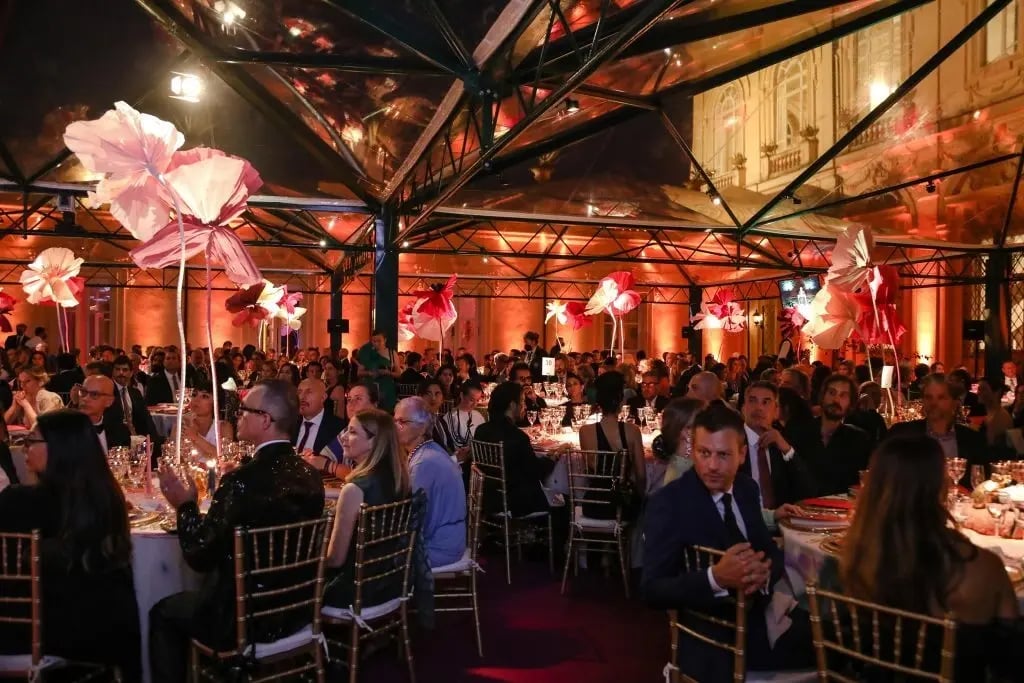
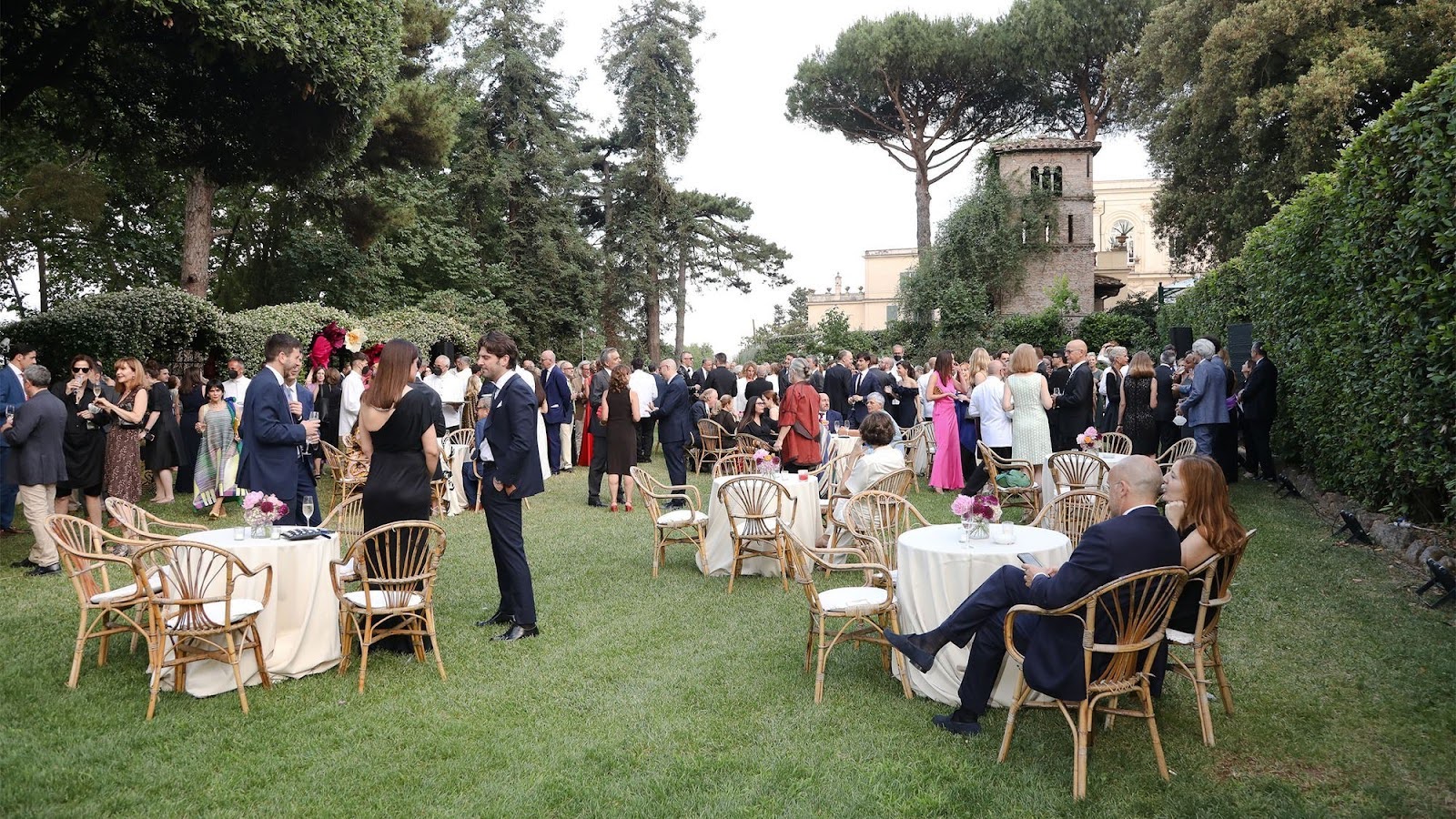
The American Academy in Rome Celebrates the McKim Medal Gala at Villa Aurelia. Photo by Astra Marina / BFA.com ⓒ BFA 2022
Step 7: Appoint a gala committee
An effective committee can attract everything from donors and high-profile guests to sponsors and press coverage. The right committee members can open doors, generate buzz, increase funding, and ensure your event reaches the right audience.
Recruit the right people
For nonprofit galas, recruit board members along with volunteers and key event staff to oversee the committee. For corporate or branded events, designate key stakeholders and well-connected team members.
Regardless of the event type, aim for a mix of motivated, well-connected, diverse, and interesting people who align with the event’s theme and goals. The purpose of the event will dictate the nature of the committee: a charity gala committee may focus on fundraising strategies, while a committee for a fashion event may have different goals.
Define responsibilities
Form your committee six to nine months before the event and assign clear roles and responsibilities.
Typical roles include:
- Chair or co-chairs to lead the committee and meet with stakeholders
- Fundraising lead to secure donations and create sponsorship packages
- Guest relations lead to build the guest list and encourage attendance
- Marketing and communications lead to promote the event and manage PR
- Logistics coordinator to oversee vendors and day-of operations
Keep your committee engaged
Hold regular meetings (at least once a month) to track progress and keep the ball rolling. Give your committee members the tools they need to actually succeed in their role, such as the ability to collaborate on guest lists. zkipster Audience’s Live Mode lets committee members suggest guests and add contact details to the list in real time without needing full access to your zkipster account. You set the capacity and deadline, contributions never overwrite your master data, and you can revoke access at any time.
Step 8: Source sponsors
The right sponsors add prestige and bring your gala’s theme to life. Above all else, sponsorships can reduce your financial burden. Approach potential sponsors once you’ve completed the initial planning stage.
Alcohol sponsors are an obvious first port of call, especially for gala dinners and nonprofit fundraising events. But sometimes it makes more sense to use automotive, tech, fashion, or beauty sponsors, or to be sponsored by local businesses, private individuals, or foundations.
Manage sponsors’ expectations and understand their goals: they may not want to be positioned near other sponsors, or they may expect exclusivity for a certain aspect of the event or want to meet specific KPIs.
Some may sponsor your event in kind by providing goods or services for a raffle, while others may offer financial support. Either way, emphasize the value they’ll get in return, such as greater brand awareness and press coverage or access to new audiences.
You might like: How to plan and manage a successful non-profit event

Janelle Monae on the red carpet at the 2022 Met Gala. Photo by Darian DiCianno / BFA.com ⓒ BFA
Step 9: Develop your gala’s visual identity
A cohesive visual identity is what makes your gala instantly recognizable. Always document your event’s fonts, colors, and graphic elements in a brand guidelines document you can share with your vendors. This ensures everyone is working from the same creative brief.
Branding opportunities will be high on your sponsors’ agendas, so consider them when forming the event’s overall brand identity. Subtly weave logos and brands into your color palette and other design elements, including:
- Invitations
- Step-and-repeats
- Bar materials and menus
- Signage and displays
- Marketing materials to promote the event and boost ticket sales
- Swag bags and promotional materials
Sponsor logos are essential, but they shouldn’t overwhelm the aesthetic. Designate high-visibility placements like the step-and-repeat or main stage for sponsor branding, and integrate logos more subtly elsewhere.
Set expectations early with sponsors by discussing where and how their branding will appear, including sizing, placement, and exclusivity based on sponsorship level.
Related: How to approach event branding for VIP events

Guests at the Gabrielle’s Angel Foundation Young Professional Committee’s Midsummer Gala. Photo by Deonté Lee / BFA.com ⓒ BFA 2022
Step 10: Organize your gala guest list
Your guest list determines who attends, how much you raise, and the overall success of your event. Coordinate with stakeholders and choose guests thoughtfully and strategically to prevent last-minute issues as RSVPs roll in.
Determine who to invite
When finalizing your guest list, start by revisiting your event goals from Step 1. For instance:
- If you’re fundraising, prioritize major donors, past supporters, and new prospects with giving capacity.
- If it’s a brand awareness event, focus on press, brand ambassadors, and industry leaders.
- If it’s a corporate gala, the guest list might center on clients, partners, investors, and employees, and include an awards ceremony.
Your committee, board, sponsors, and executives will all have guests they want included. Using a tool like zkipster Audience’s Live Mode to collect these names upfront prevents last-minute additions that disrupt seating and catering counts. Communicate guest list limitations early, such as the venue’s capacity and how many seats are allocated to each stakeholder group.
You’ll likely end up with several distinct guest groups within your overall list, including VIPs, VVIPs, sponsors, major donors, annual attendees, and new prospects you’re trying to build relationships with. Organize your guest list into key subgroups to save time and optimize how you track attendance.
Create unlimited guest lists
Guest lists are collaborative by design. Your colleagues, clients, and stakeholders will need to work together to finalize them, often with different levels of access depending on their role. Some team members may only need to view the list, while others need full editing capabilities.
zkipster Audience’s guest list builder makes collation fast and flexible. Drag and drop contacts into your list, build lists from saved segments, or merge multiple lists into one. Customizable list statuses (In Progress, In Review, and Approved) allow you to track your progress. Once a list has been approved, it automatically locks to prevent further changes.
When you’re ready, approved lists can be imported directly to zkipster Events and used for invitations, RSVPs, seating, and check-in.
Build detailed guest profiles
Gather information about your guests early in the planning process. Guest profiles in zkipster Events can include everything from profile pictures and dietary requirements to biographical details and accessibility needs. The more information you collect upfront or from previous events, the better you can personalize the experience for each guest.
Use these profiles to create internal Facesheets to brief your team and ensure you’re giving VIP guests the proper attention.
Tag and segment your guests
Use tags or segments in zkipster Audience to instantly identify guests who meet certain criteria, such as first-time attendees, major donors, guests with special accommodations, or guests who should be seated together.
Highly curated guest lists let you customize messages to target different groups. With Audience, color-coded tags and dynamic segmentation make filtering visual and intuitive.
Step 11: Send invitations
With your guest list finalized, it’s time to send invitations. Send them six to eight weeks before the event for most galas, or eight to 12 weeks for major fundraising events during peak gala season when calendars fill quickly.
Include all essential information:
- Date
- Time
- Location
- Dress code
- RSVP deadline
- How to register
If guests need to select meal preferences or indicate dietary restrictions, make that process simple and clear.
Set your RSVP deadline for two to three weeks before the event to give yourself enough time to finalize catering counts and seating arrangements. Plan to send at least one reminder to guests who haven’t responded as your RSVP deadline approaches. For high-profile guests or major donors, consider a personal follow-up call or email.
zkipster’s email composer makes it easy to incorporate visual elements into your pre-event communications. zkipster also helps you gather RSVPs, plus ones, dietary requirements, and other vital info securely and efficiently.
Related: How to write an invitation email like a professional event planner
Step 12: Hire vendors, suppliers, and entertainers
Memorable entertainment, dining, drinks, flowers, gifts, and favors will take your special event to the next level. For many event planners, this is the best part of gala dinner planning. It’s also the time to design a successful gala that looks and feels different from every other seasonal celebration.
Choosing your cuisine and meal format
Establish what type of food and beverage will be offered at your gala and in what format you wish to serve it. Memorable food and drink options will delight your guests and add to the multi-sensory experience of the event.
For formal galas, the norm is to host a drinks reception followed by a sit-down dinner, perhaps with an interactive dessert option. But other dining experiences can also work, such as canapés and hors d’oeuvres, decadent buffets, or food stations.
Catering
Food tastings to determine menu items are often a highlight of the planning process, especially when planning luxury events! You can rely on expert caterers to assist with everything from menus to costs per head to logistics. They can make exciting, original menu suggestions tailored to your gala’s budget and audience while factoring in food trends and seasonality.
Generally, leading caterers have working relationships with leading venues. That means they understand the ins and outs of preparing and serving food on the ground.
Some venues may require you to use their in-house catering service or choose vendors and suppliers from an approved list of preferred vendors. While this can limit your options, it can also make dinner planning a little easier.
When RSVPs close, confirm the number of guests and any dietary requirements so the caterer can finalize order quantities. Don’t worry about not having enough food — professional caterers understand how to slightly “over-cater” in the event of last-minute guests.
Beverage and bar setup
Choose beverage sponsors who can provide drinks in the form of bespoke cocktails and non-alcoholic options, which have become increasingly popular. Welcome drinks might be pre-poured and served directly to guests, followed by wine when guests are seated for dinner and a bar where they can order drinks. Cash bars are a strong option for fundraising galas.
Flowers
Breathtaking flower arrangements will add to the visual spectacle of your gala. No matter what type of event you’re throwing, an expert florist is a key vendor. Stunning floral displays help to bring the event’s theme and identity to life.
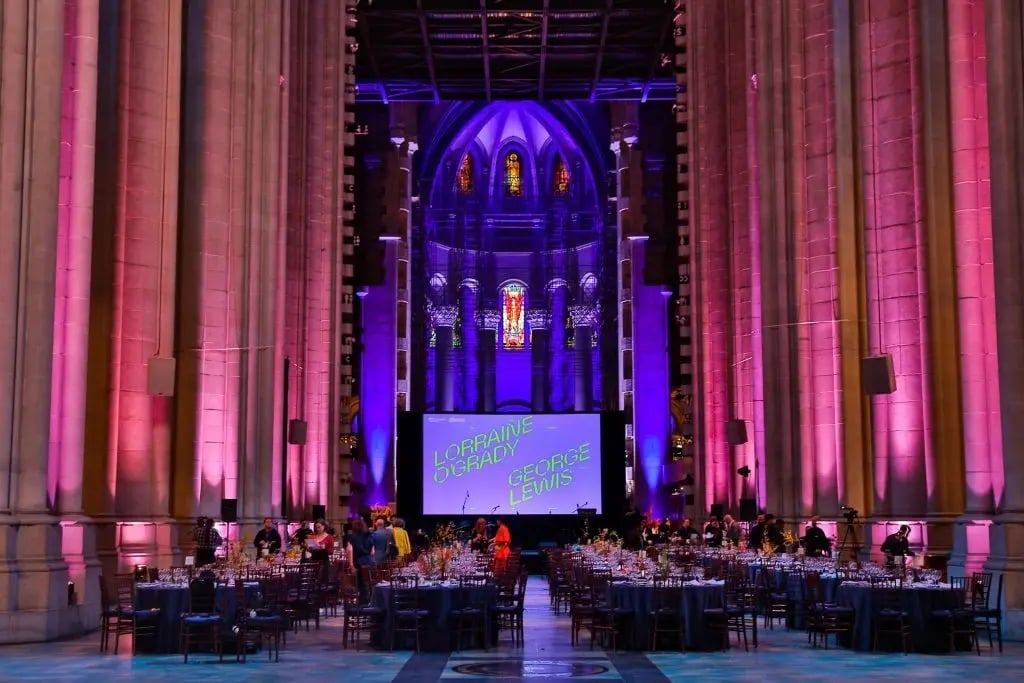
The Kitchen Gala Benefit at the Cathedral Church of St. John the Divine, New York. Photo by Angela Pham / BFA.com ⓒ BFA
Production
An experienced, full-service production company is integral for every gala. Event producers have the creative and technical expertise to use staging, installations, special effects, lighting, and audio-visual elements to transform a venue.
Event producers can also oversee the logistics planning if your gala includes a live auction, performance, or presentation. If desired, they can even source other vendors on your behalf.
Sponsors want to showcase their involvement in your event, and event production companies know how to pull this off while managing everyone’s expectations.
Rentals
You may need to rent lighting, marquees, glassware, tableware, linens, and other equipment. Your production company can usually handle these matters, but don’t forget to include those costs in your budget. Make a note in your run sheet or master plan about who’s handling what.
If you need hardware to run your event management software on the day of — for example, iPads for check-ins and registrations — our global partner One World Rental offers all-in-one rental packages designed specifically for events.
Also check to confirm that the venue has the WiFi capabilities to power the necessary devices. Ask them how fast their internet connection is, how many wireless access points and signal black spots exist, and if they can create a custom event WiFi network for you.
Entertainment
Memorable entertainment adds magic to an event. Your gala’s stakeholders and production company may have links to high-profile talent, while sponsors can call upon brand ambassadors. Explore every possible connection!
Establish exactly who or what your event needs: a host or emcee, presenters and auctioneers, musicians — the list goes on. Remember to set up a green room where talent can relax when they’re not performing and accommodate any performance riders.
Gifts and favors
A gala typically begins with an invitation and ends with a gift bag full of party favors. Gala sponsors are likely to be helpful in this respect, and brands will often provide free or discounted products or vouchers in exchange for reaching a new or desirable audience: your event attendees.
Luxurious and specially branded keepsakes will help your event live on long after the guests have gone home, but keep sustainability in mind. The items in your gift bag should be genuinely useful, long-lasting, and reusable or recyclable.
Step 13: Hire and train staff on event management software and standards
Organizing a successful gala dinner takes a huge team effort, and many event vendors provide event staff. Caterers might bring chefs, servers, and mixologists while production companies may have in-house designers, producers, and technical experts.
Ensure you’re meeting all personnel needs, including those of your personal team members who will carry out lynchpin roles. Account for all team members’ arrival times, contact info, and responsibilities on your call sheet.
Once you’ve hired staff, train them on the standards you expect them to meet. For event check-in staff, train them to use the zkipster app to streamline check-in and elevate the guest experience from the moment guests arrive at the event.

A guest on the branded step and repeat at the Gabrielle’s Angel Foundation Young Professional Committee’s Midsummer Gala. Photo by Deonté Lee / BFA.com ⓒ BFA 2022
Step 14: Maximize press and media exposure
If yours is a high-profile gala with high-profile attendees, one of your KPIs might be to achieve extensive, favorable press coverage. Just think of the media frenzies surrounding the amfAR Gala in Cannes, for example!
For maximum exposure, work with a specialist PR agency to create press releases and liaise closely with influential press contacts. A media agency like our partner BFA will provide photographers, videographers, and social media experts, then wire the resulting content to the media.
Maximize the media potential of every aspect of your red carpet or step-and-repeat, from the positioning of sponsor logos to the positioning of photographers.
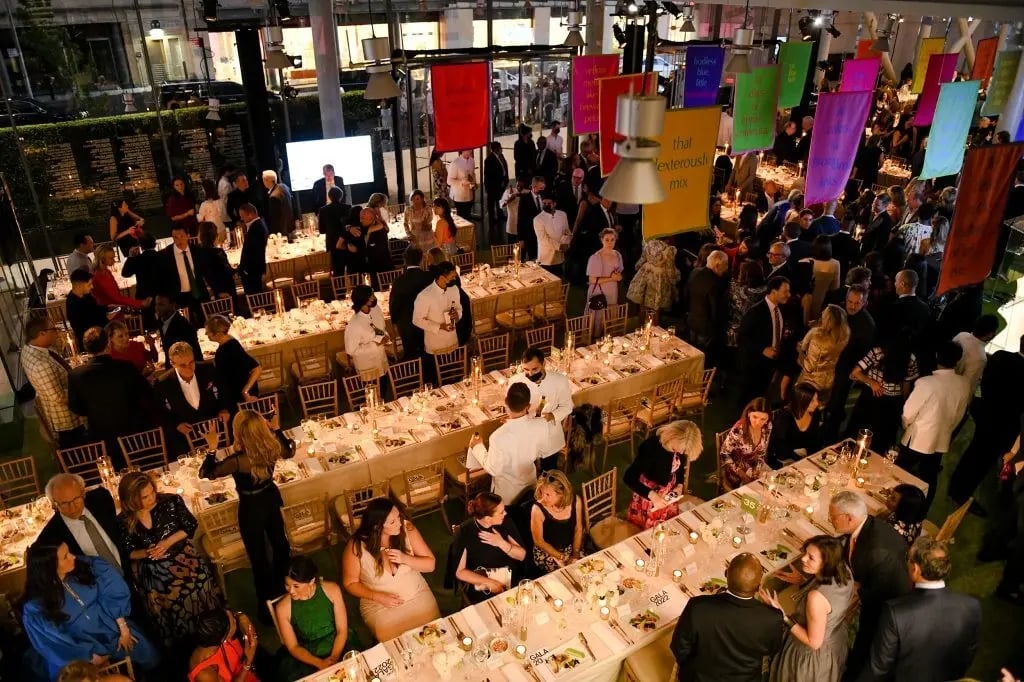
Guests take their seats at The Whitney Museum of American Art: Annual Gala 2022. Photo by Darian DiCiannio / BFA.com ⓒ BFA
Step 15: Arrange your gala seating
Part of being a great host is ensuring your guests’ comfort, which includes seating them with the right people.
Create a seating chart
Create and manage your seating chart digitally and dynamically with the zkipster seating chart app. Simply upload the floor plan of your venue with your table placement, then edit or move entire tables or guests within tables to create a seating arrangement that works best for all guests — especially VIPs and top donors.
Before finalizing your seating chart, track RSVPs closely and be prepared for last-minute changes. For example, guests who decline may show up anyway, and weather can cause no-shows.
Plan with flexibility in mind
Seating charts work best when they’re flexible. If you plan to seat 10 guests per table, make sure each table has enough space to accommodate an additional guest if needed. It’s a good idea to have extra tables (and table settings) ready to add to your floor plan. Always confirm your caterer has a contingency plan for late additions, and let them know about any changes as soon as possible.
zkipster makes it easy to adjust seating if unexpected guests show up, or if guests who’ve RSVPd don’t show. If you’re working with high-profile guests, zkipster's privacy features allow you to hide sensitive guest information from check-in staff. The Guest Relationships feature can also simplify how you coordinate with VIPs by allowing representatives to RSVP on behalf of their clients.
Step 16: Prepare for guest arrival
A smooth check-in process sets the tone for any event. Long lines and confusion at the entrance can disrupt even the most carefully orchestrated gala, so prepare a detailed check-in plan in advance.
Streamline the check-in process
Prevent bottlenecks by using contactless check-in technology. Digital event credentials, continuous check-in mode, and auto check-in features can dramatically reduce wait times and provide seamless entry for guests. Tools like zkipster’s guest check-in app make the process effortless.
Once guests check in, provide their table assignments immediately to avoid confusion. Automated text alerts that deliver table numbers upon arrival keep the event flowing smoothly and help you provide a seamless guest experience.
Make guest arrival memorable
First impressions matter. For an unforgettable arrival experience, install visually stunning elements at the entrance.
Think illuminated displays, epic flower arrangements, and photo-worthy backdrops or step-and-repeats for photographers and press. The goal is to let your guests know they’ve arrived at one of the most important galas of the season.
Step 17: Host with excellence and follow through
On the day of the event, your role shifts from planner to host. Here’s how to be an exceptional host on the day of the event and follow up thoughtfully once it’s over.
Day-of hosting
Make your guests feel special by greeting VIPs personally and addressing any last-minute issues with discretion and care. Check in with your team often, monitor how the event is flowing, and be ready to adapt if needed. If someone arrives late or a speaker runs too long, remaining calm and confident will help to keep everything running smoothly.
Personal touches matter. The dietary requirements, accessibility needs, and other guest preferences you can collect with zkipster will guide your approach to hosting. Use this data to ensure every detail is considered, from special menu accommodations to escort cards and place cards.
Post-event debrief and follow-up
After the event, schedule a debrief with your team to discuss how everything went while the details are still fresh. Talk about what worked, what didn’t work, and why.
Don’t forget to take notes on:
- Which elements were most successful
- Which elements had room for improvement
- Vendor performance
- Notable guest interactions
- Press coverage and media reach
- How well the event achieved its goals, such as fundraising results or networking connections
Use zkipster’s reporting tools to gain insights into guest attendance and check-in patterns. Use those insights to inform future event planning, measure event success, and demonstrate ROI to stakeholders.
Finally, send a thoughtful follow-up message to guests to thank them for coming. For donors, sponsors, and VIP guests, consider sending a handwritten thank-you note. With zkipster, you can even create and send a post-event survey to gain important feedback from guests that informs future planning.
Gala dinner FAQs
When is the best time of year to throw a gala dinner?
You can host a gala at any time of year, but “gala season” is typically in the fall (September, October, November) and in the spring (March, April, May).
What is the average cost of a gala dinner?
The cost of hosting a gala depends on a variety of factors, including venue, entertainment, catering, sponsors, etc. The price of tickets (or tables) for guests varies depending on fundraising goals and the exclusivity of the event and can range from under $1,000 to well over $50,000.
In 2024 and 2025, Met Gala tables started around $350,000 and individual tickets cost about $75,000 each, a significant increase from ticket prices of $35,000 in 2022 and $50,000 in 2023.
How long should a gala dinner last?
Most galas last three to five hours, with approximately two hours dedicated to a seated dinner, speeches, presentations, etc.
Should you plan a cocktail hour for a gala dinner?
Absolutely. Dedicate the first hour to cocktails so guests can meet, mingle, sip drinks, and enjoy hors d’oeuvres.
Does a gala have to be a formal event?
Yes. By definition, a gala is an elevated celebration with a sophisticated, elegant dress code. The level of formality can vary from semi-formal to cocktail dress to black-tie or white-tie, but it should be an upscale occasion with a venue, food, décor, and entertainment that provides a luxurious ambiance. Specify the dress code on the invitations so there’s no confusion.
Can I send digital invitations for a gala?
Absolutely. Email invitations are becoming the norm and make RSVP tracking as easy as can be. However, you might also consider sending physical paper invitations to special dignitaries, major donors, or VVIPs, or for storied events where guests expect them. With paper invitations, you can include an RSVP URL so you can still gather RSVPs digitally.
How far in advance should you start planning a gala?
Clients that host annual galas typically start planning about a year in advance and usually start planning for next year’s gala as soon as this year’s gala ends. Plan a minimum of 7-9 months in advance, especially if you’re hosting in the height of gala season, as venue selection may be limited if you wait too long.
Ready to plan your next gala?
Gala season will be here before you know it. For large-scale event planners, it’s one of the busiest, most exciting times of the year.
You can use zkipster’s tools to improve the RSVP and check-in processes, manage seating charts, cultivate guest relationships, and so much more. Our comprehensive software makes the art of throwing the most successful galas easier than you think.