Gathering feedback is one of the best ways to measure the success of an event.
Yes, pre-event surveys provide great direction by telling you what your guests and other stakeholders want from the event in advance. But you also need to send the right types of post-event surveys to know if your event actually met expectations.
Post-event surveys provide a wealth of information, but the quality of that information depends on whether you’re asking the right questions of the right people. Whether you’re looking for insight from guests, sponsors, stakeholders, or staff, here are 45 post-event survey questions to help you gather feedback, determine success, and better plan future events.
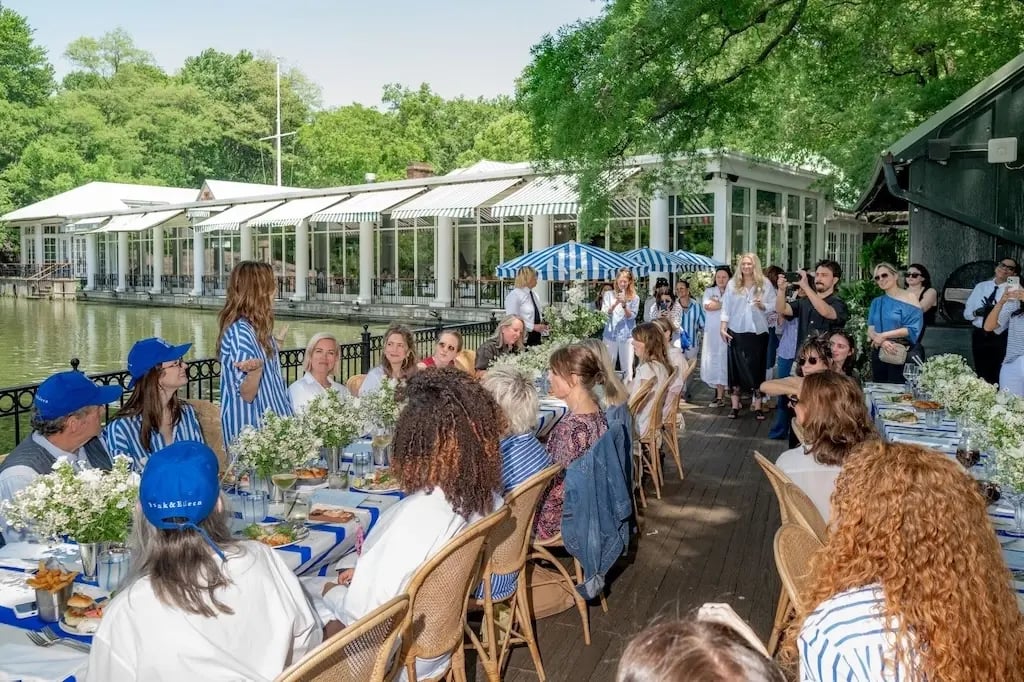
House of Frank & Eileen x Chloe Fineman and Ellen Gunn Event at Central Park Boathouse, NYC. Photo by Jason Lowrie / BFA.com © BFA
Post-event survey questions for guests
For event organizers, the primary goal of a post-event survey is to gain a better understanding of the attendee experience and event attendee satisfaction. Event organizers ask these questions to gain actionable insights and valuable feedback that will help them better plan their next event and create more personalized guest experiences:
1. Would you attend this event again?
This is one of the clearest indicators of overall satisfaction and a reliable way to predict future attendance.
2. Would you recommend this event to others?
This question helps you determine how likely guests are to advocate for your event, since word-of-mouth referrals drive growth.
3. How would you rate the event?
A simple rating can provide a straightforward, consistent benchmark for measuring the success of your events year over year.
4. How would you rate the event venue?
Getting feedback on the venue can help you assess if the space met expectations for ambiance, comfort, capacity, and facilities.
5. How would you rate the staff’s service and professionalism?
Staff performance has a direct impact on guest experience. Use this question to identify areas for training and improvement.
6. How would you rate the food and beverage options?
Catering is usually one of the most memorable parts of an event, making it an important indicator of overall guest satisfaction.
7. If you had dietary restrictions or accessibility requirements, were your needs met?
This confirms if pre-event accommodations were successfully communicated and executed on the event day.
8. How would you rate the entertainment/speakers/sessions/production values?
The quality of your event’s programming is a core part of the experience, so use this feedback to inform your future booking and production decisions.
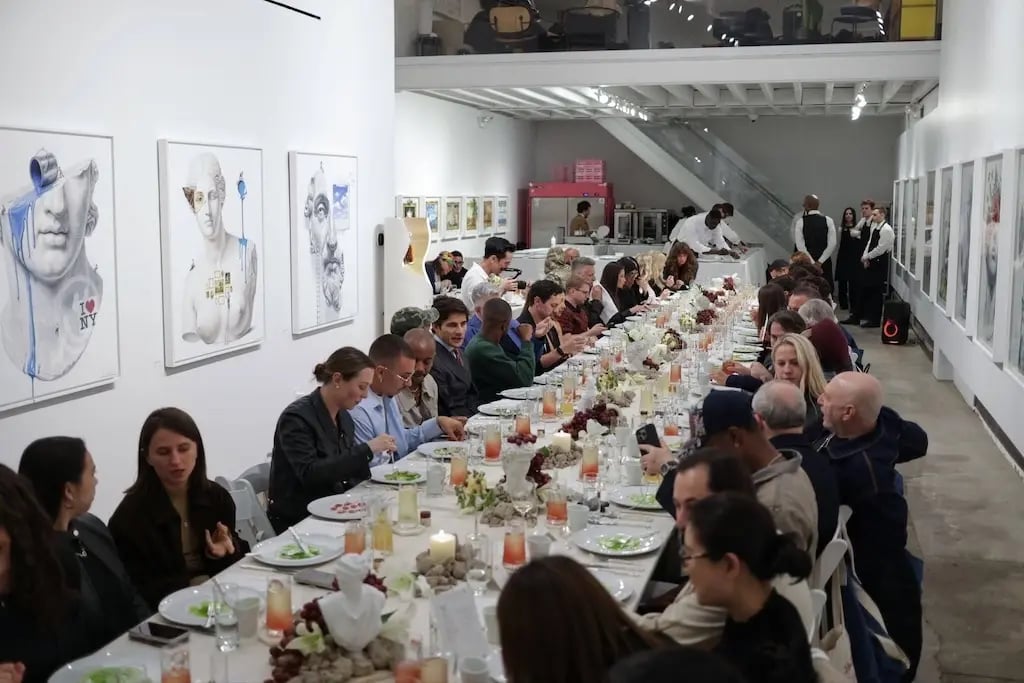
Kozo and CART DEPT Permanent Impermanence Dinner served by HexClad, CART DEPT, NYC. Photo by Vladimir Weinstein / BFA.com ⓒ BFA
9. How would you rate the networking opportunities and the quality of the connections you made?
Depending on the type of event, this can be a critical measure of event value since networking may be a primary motivation for attending.
10. Were there enough opportunities for one-on-one discussions and interactions?
This reveals whether the event format sufficiently supported the depth of connection guests had hoped for.
11. Was the event too long, too short, or just the right length?
Obtaining feedback on pacing can help you calibrate the energy and engagement levels of future events.
12. Did you experience any issues with the check-in or registration process?
Friction during registration and check-in can influence a guest’s impression of an event.
13. Was it easy to travel to and from the venue? Were options for transport and accommodation provided or recommended?
Ease of logistics contributes to guest comfort. This type of attendee feedback will help you determine where travel support could be improved.
14. What did you like best about the event?
Ask this to identify standout moments, which will help you understand what to protect and prioritize at future events.
15. What did you like least about the event?
Honest criticism is crucial for future improvements, and this question is a clear opportunity for constructive feedback.
16. What should we do differently next year?
Forward-looking suggestions from guests provide actionable guidance for future planning.
17. Did you have access to all the information you needed about the event?
This assesses the effectiveness of your pre-event messaging and whether guests felt informed and prepared.
18. Did you achieve your event goals?
Understanding whether guests fulfilled their objectives for attending the event reveals how well the event delivered on its promise.
To consistently improve the guest journey and refine your event planning process, consider connecting your post-event survey topics with your pre-event survey questions and topics. The preliminary information you gather about guests’ preferences and expectations combined with the post-event feedback about their experiences will help ensure that you’re meeting guests’ needs.
Learn more about how to curate contact information and enrich contact profiles with zkipster.
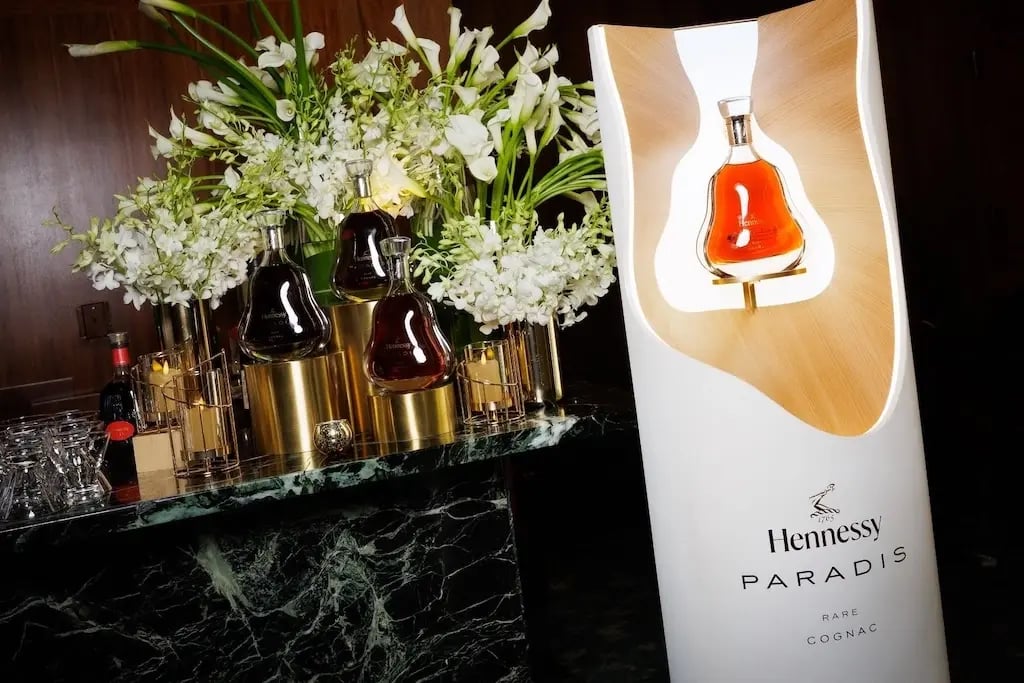
Hennessy at the Gold House 5th Annual Gold Gala, The Music Center, Los Angeles, CA. Photo by Jason Sean Weiss/ BFA.com © BFA
Questions for sponsors and partners
After the event, don’t just collect feedback from guests — collect it from sponsors, too. These follow-up questions designed for sponsors can help you measure the success of the event:
19. Did you receive all the necessary information before the event?
Adequate pre-event communication is critical for a successful sponsorship experience.
20. How satisfied were you with the communication and collaboration with our team?
This measures the strength of your working relationship with each sponsor and highlights opportunities to improve how you support them.
21. Would you sponsor another event in the future?
Your sponsors’ willingness to renew is a direct measure of how they perceive the event’s value, as well as their satisfaction with the partnership.
22. How satisfied are you with your sponsor visibility?
Visibility is one of, if not the most significant aspect of event sponsorship. This feedback ensures their brand presence met expectations.
23. How would you rate your ROI from sponsoring the event?
Understanding how your sponsors perceive ROI will help you make the case for future sponsorships, as well as refine the type of packages you offer.
24. What could we do differently to improve your event experience for future events?
Open-ended sponsor feedback surfaces specific improvements that can strengthen long-term partnerships.
25. How satisfied were you with the sponsorship packages we offered?
This reveals whether existing packages align with sponsor needs and where new tiers or inclusions may be warranted.
26. If you brought guests, how did your guests feel about the event?
Sponsor guests should be viewed as another extension of the broader guest experience. Their satisfaction reflects on the partnership as a whole.
For certain teams and stakeholders, it’s better to gather feedback during an in-person meeting or phone call.
Sponsors who made a large commitment to the event often prefer the opportunity to provide direct feedback rather than completing a remote survey. Prepare the questions to ask in advance and gather responses while hosting a structured feedback session. If the feedback session is via phone or video call, consider recording the call and using AI note-gathering tools to capture nuanced feedback and attribute it correctly.
Keep in mind that it may take sponsors days, weeks, or months to truly measure the ROI of the event. If they can’t answer questions about ROI in the initial feedback session, ask if they’re willing to have a brief follow-up session in the weeks or months ahead.
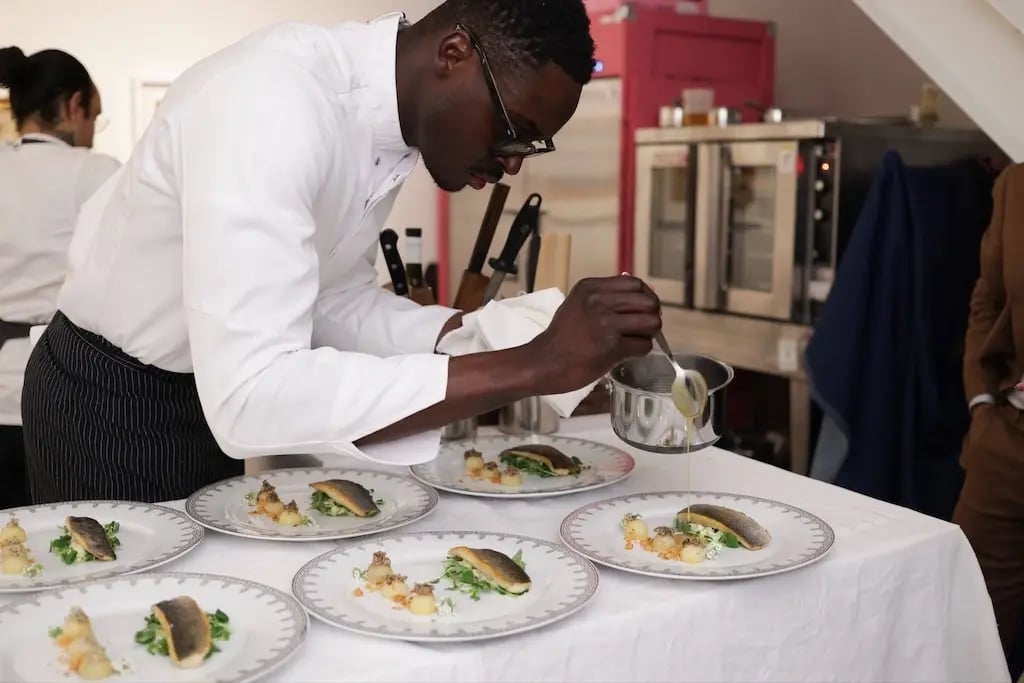
Chef Rōze Traore at the Kozo and CART DEPT Permanent Impermanence Dinner served by HexClad, CART DEPT, NYC. Photo by Vladimir Weinstein / BFA.com ⓒ BFA
Questions for staff, volunteers, internal teams, and stakeholders
Like guests and sponsors, it’s important to know how your staff, volunteers, and internal event planning team experienced the event. Create a post-event feedback survey specifically for them with questions like:
27. Did you feel prepared to perform your duties at the event?
Staff preparedness is a direct reflection of the quality of your briefings and training.
28. Were your roles and responsibilities clearly defined?
When staff roles are made clear, it reduces the risk of confusion and ensures team members perform at their best.
29. Do you have any feedback from guest interactions?
Guest-facing staff often receive candid feedback from guests that formal surveys can miss, making these takeaways especially valuable.
30. Would you consider this to be a successful event?
An internal read on overall success can serve as an insightful counterpoint to guest and sponsor feedback.
31. (For stakeholders) Were you able to connect with the guests you planned to and if so, what was the outcome of your interactions?
This measures whether the event delivered on its relationship-building objectives for stakeholders specifically.
32. What was the highlight of the event for you?
Positive feedback from staff and stakeholders helps reinforce what’s working well. It can also boost team morale.
33. What challenges did you face during the event?
Pinpointing challenges faced by people closest to the operations helps prevent the same problems from recurring.
34. Did you experience any delays or problems with the service?
This is a critical question, since service disruptions can affect the guest experience in ways that aren’t always visible to senior planners.
35. Do you have any suggestions for how we could improve future events?
The people executing the event often have the most practical ideas for improvement, and this question ensures their expertise is captured.
36. What parts of the event went well or fell short?
Balanced feedback from your internal team will give you a grounded, honest start to the post-event debrief.
Like sponsors, stakeholders will likely expect an in-person feedback gathering session or phone call. Be sure to invite all stakeholders to attend your post-event debrief so that they can provide essential feedback directly.
Read also: 11 expert-approved event planning tools
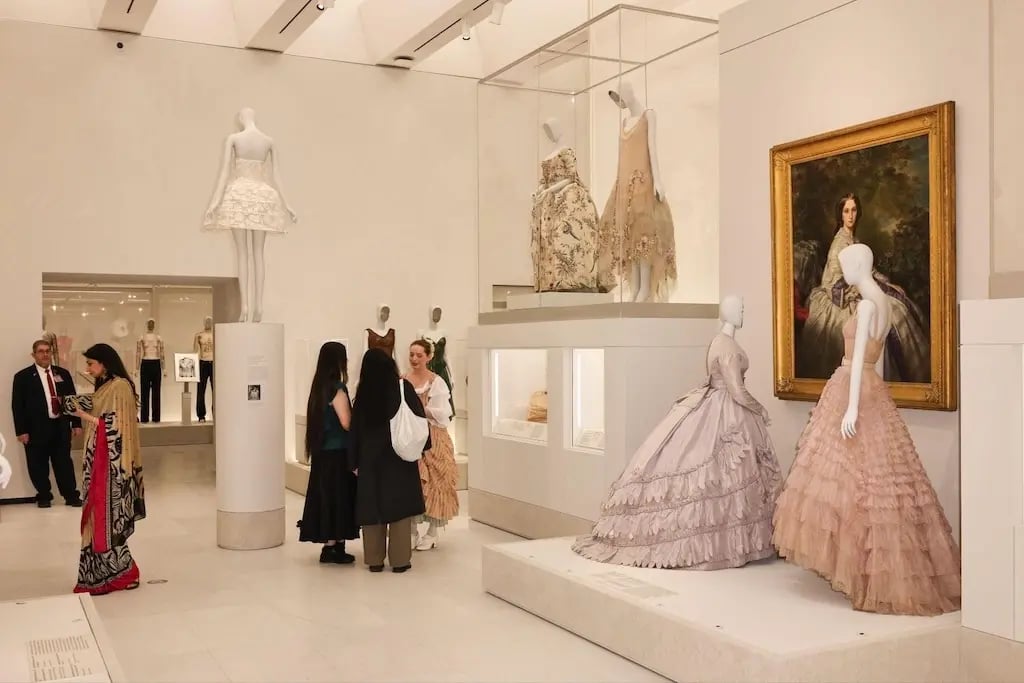
“Costume Art” Opening Reception at The Metropolitan Museum of Art, NYC. Photo by Matteo Prandoni / BFA.com © BFA
Questions for events spanning multiple days or venues
With events that are spread out among different locations or different days, collecting feedback for each portion of the event is critical. Ask attendees:
37. What was your favorite part or session of the event?
Find out what moments of the event were the most memorable to learn how to allocate resources more effectively at future editions of the event.
38. What was your least favorite aspect of the event?
For multi-day or multi-venue events, especially, identifying weaker elements can help you make targeted improvements without overhauling the parts that are already working.
39. What can we do better next time?
By asking this forward-facing question, you invite guests to contribute directly to how the event evolves.
40. Were you able to attend your first-choice sessions and/or all the parts of the event you wanted to?
This reveals whether scheduling, capacity, or access issues prevented guests from getting the most from the event.
For guests who did not attend all portions of the event, use segmentation carefully. It’s important that you only request feedback about the parts of the event that you know the guest attended. Learn how zkipster Audience can revolutionize your guest management.
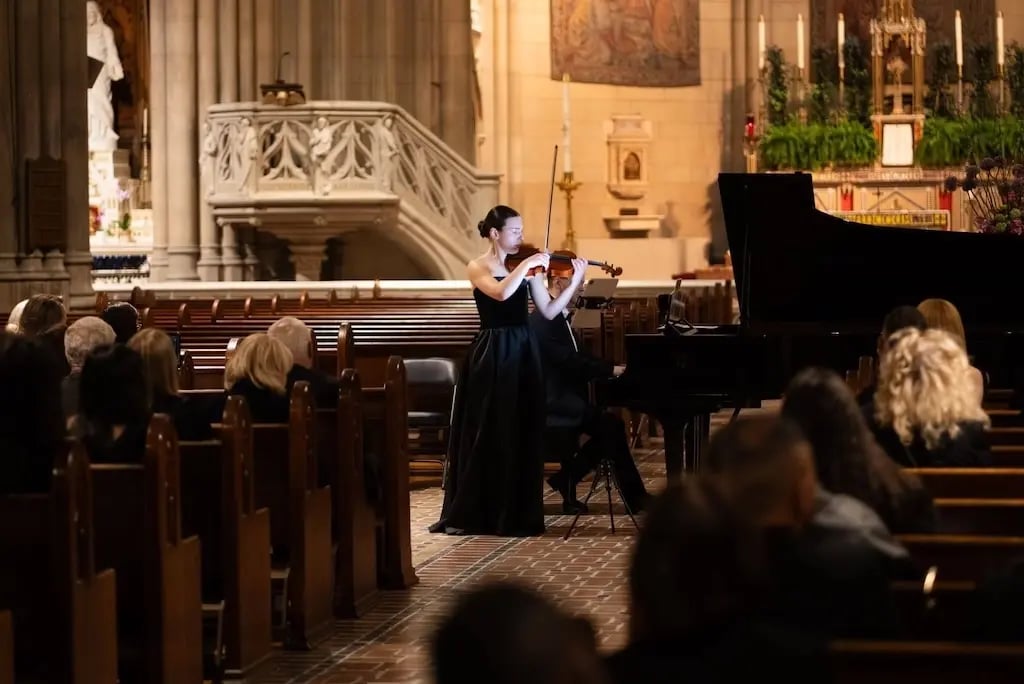
Art & Musica A&M, Church of the Blessed Sacrament, NYC. Photo by Skylar Searing / BFA.com ⓒ BFA
Questions for speakers and talent
Whether you’re assessing the success of a corporate event, charity gala, or an exclusive fashion or art exhibition, it’s important to know how your speakers, presenters, and entertainers experienced the event. Ask speakers and talent:
41. Was there anything we could have done to make your experience better or easier?
Speakers who feel supported are more likely to deliver their best performance and return for future events.
42. What would encourage you to participate in future events?
Understanding what motivates speakers and talent to come back will help you build lasting, mutually beneficial relationships.
43. Did you receive all the information you needed prior to the event?
Asking this question is key for ensuring you’re sending clear, easy-to-understand briefings to speakers so they can arrive prepared and ready to engage with the audience.
44. How would you rate our technical capabilities, moderation, and session formats?
Technical and logistical quality has an immediate impact on a speaker’s ability to perform. Use this feedback to guide improvements for future presentations.
For celebrity speakers and high-profile talent and entertainment, a personal follow-up call with the talent’s rep is the best approach, especially if you want them to come back next year.
Read also: A 21-step event planning checklist that covers every detail
The one question every post-event survey should end on
Whether your survey is directed at guests, sponsors, talent, or staff, always conclude with one final, open-ended question:
How would you describe your overall event experience?
You should end with this question even if your other questions use a yes/no, multiple-choice, or rating scale format. It creates an opportunity for real, honest feedback in the attendee’s own words.
The answers you receive will be invaluable and help you determine which improvements to prioritize at future events.
Learn how to optimize and elevate event planning with zkipster.

Spring Salon with Cassandra Peterson Presented by ILY2 at a Private Residence, Portland, Oregon. Photo by Maynard Villaflores / BFA.com © BFA
Best practices for sending event surveys
Creating, sending, and collecting event feedback is easier than you may think. Here’s how top event planners plan and prepare their surveys to encourage higher response rates and obtain meaningful, qualitative data.
Use the right tool
The platform you use to build and send your survey matters. Tools like zkipster make it easy to create a post-event survey. zkipster Forms offer flexible question formats, and easy list segmentation so you’re posing the right questions to the right attendees and only targeting checked-in guests.
Send it at the right time
Waiting too long kills response rates, so try to send surveys within 48 hours of the event’s end. However, you may want to consider sending surveys at different times to different audiences.
For example, it may be better to send staff surveys a few days after the event, once they’ve had a chance to decompress. If you’re looking to receive feedback about a sponsor’s ROI, you may want to wait several weeks or circle back with them for a follow-up session once they’ve had a chance to track and measure their ROI.
Make it personal
Your survey email or message should address the recipient by name and reference the specific event they attended. Personalized messages outperform generic messages.
Keep it short
Aim for ten questions or fewer, otherwise you risk overwhelming your survey recipients, which can lead to lower response rates. It’s also a good idea to prioritize your most important questions first.
Incentivize responses
To increase response rates, consider incentivizing people to respond by offering entry into a prize draw, an exclusive discount, or early access to next year’s event. Even framing the survey as a way to help improve future events can be persuasive.
Just be sure that the incentive feels proportionate to the ask, and that it’s appropriately aligned with the event itself. For example, a prize draw would be appropriate for a corporate event or trade show, but not for an exclusive VIP dinner.
Follow up once
Follow up once and only once with attendees who haven’t responded. Sending a single reminder to non-responders a few days after the initial message can significantly boost responses without feeling pushy.
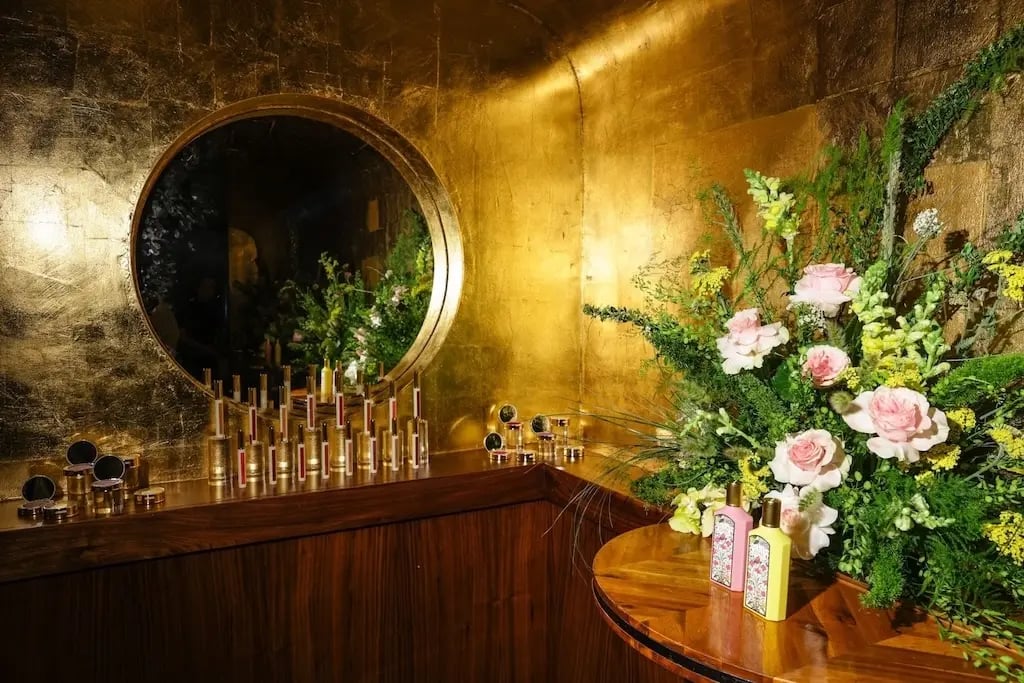
Gucci Beauty Dinner at Jeans, NYC. Photo by Bre Johnson / BFA.com ⓒ BFA
Post-event survey FAQs
What are the benefits of sending a post-event survey?
The main benefits of sending a post-event survey include the ability to measure event success and improve future planning. Collecting feedback from the perspectives of guests, sponsors, donors, keynote speakers, and VIPs provides valuable insights that would otherwise be difficult to capture.
Should I send a post-event survey for every event?
No, it is not customary to send post-event surveys for all events, including intimate client receptions, diplomatic gatherings, political events, and prestigious awards ceremonies. Don’t risk annoying high-powered VIPs and luxury brand clients with requests for feedback that they don’t have time to respond to.
The best approach is to carefully target suitable guests for feedback and tailor your surveys to different types of respondents, such as first-time guests or sponsors.
Should I also send pre-event surveys?
Yes, pre-event surveys are just as valuable as post-event surveys. Sending a survey before the event can help you get ahead of the game by learning exactly what your guests want in advance, from menu preferences to ideal entertainment. Pre-event surveys also help to streamline event planning and personalize the guest experience.
What types of question-answer formats should the survey include?
Post-event surveys should include a mix of open-ended, yes/no, rating scale, and multiple-choice questions. For rating scale questions, use Likert scale questions with responses like strongly agree/strongly disagree, very satisfied/very dissatisfied, terrible/excellent, etc.
You can also mix up different question/answer formats and include open-ended questions with comment boxes for attendees to detail their own experience. Quickly leaving ratings or ticking boxes is always easier for guests to do, so you might want to include just one comment box to answer the final question “How would you describe your overall event experience?”
How long should a post-event survey be?
A post-event survey should be no longer than ten questions. In general, shorter, more focused questionnaires consistently achieve higher response rates, so prioritize your most important questions and keep each one short and direct.
How should you send a post-event survey?
Distribute post-event surveys digitally. While you can send them through social media, you’ll get the most valuable feedback by emailing personalized links directly to attendees. Personalized links also greatly improve response tracking.
When should you send a post-event survey?
For most audiences, follow up with your event feedback survey within 48 hours after the event. The goal is to gather feedback when it’s still fresh in guests’ minds.
What response rate should I expect from a post-event survey?
The benchmark for a good response rate is approximately 10% to 30%. Response rates of 40% to 50% (or higher) are considered excellent.
Should post-event surveys allow for anonymous responses?
There are benefits and drawbacks to allowing for anonymous responses. Anonymous respondents might give more honest feedback, but sending personalized communications remains the best practice for guest engagement.
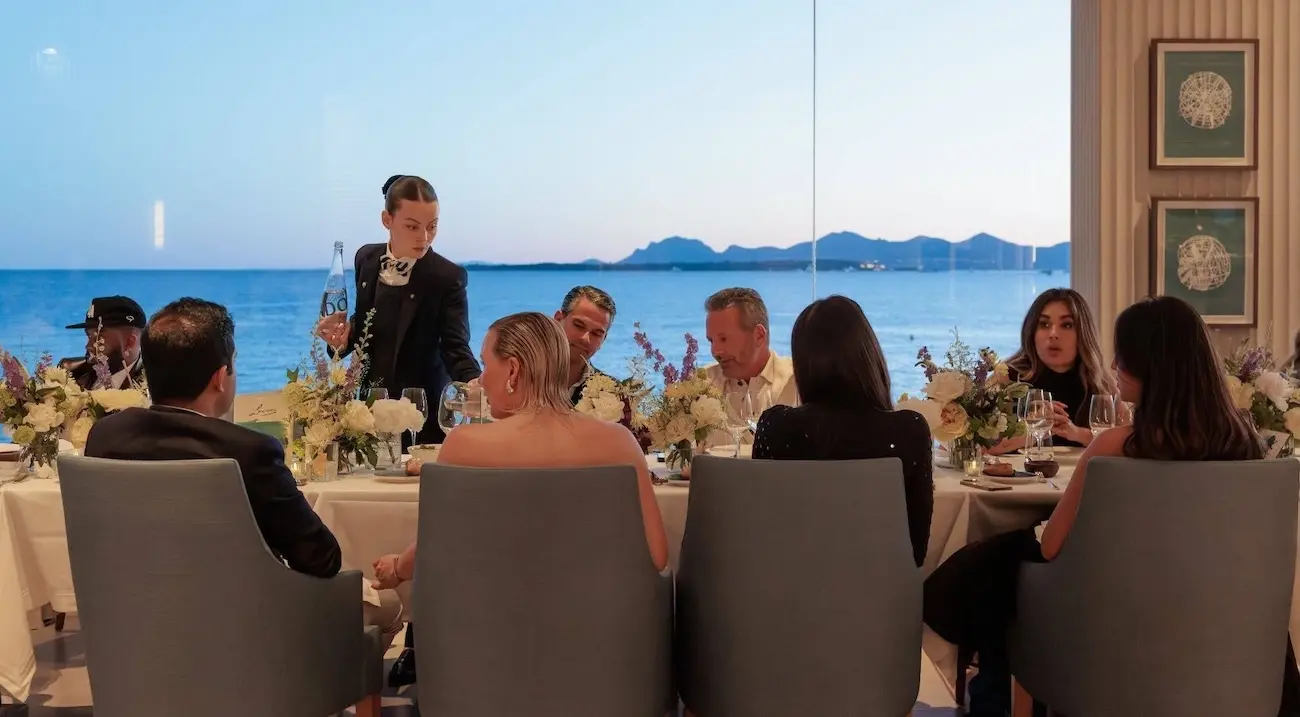
Header image: Vogue 100 Celebrates the Cannes Film Festival at Hôtel du Cap-Eden-Roc, Cannes, France. Photo by Pierrick Rocher / BFA.com ⓒ BFA