How you market a VIP event depends on who you’re inviting and how exclusive you want it to be.
Some high-profile events, like the Met Gala and the Vanity Fair Oscar Party, send exclusive invites while still welcoming massive media exposure. Then there are the small, private gatherings that are so exclusive they’re completely concealed from the public eye.
While mastering the art of luxury event promotion takes years of experience, the following steps can ease the learning curve considerably.
Here’s how to create a successful event marketing plan that inspires engagement, increases attendance, and exceeds guest expectations.
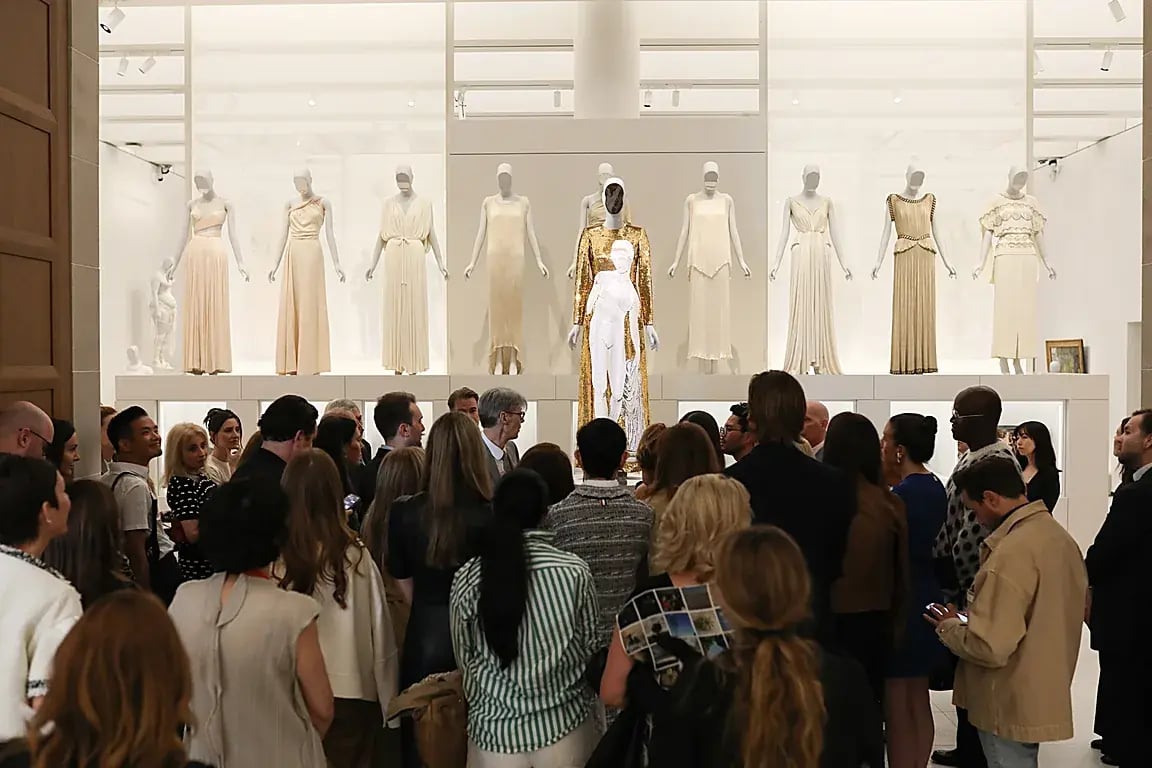
Friends of The Costume Institute Tour of “Costume Art,” The Metropolitan Museum of Art, NYC. Photo by Matt Borkowski / BFA.com ⓒ BFA
First things first: establish event goals and KPIs
Before you can create a marketing strategy, you need to know exactly what your event goals are and establish KPIs.
It doesn’t matter if you’re trying to increase brand awareness for a fashion brand, raise money for a nonprofit, or host a purely social event for industry insiders. Setting goals and key metrics is the first step toward success.
If this isn’t your organization’s first event, use past event data to sharpen your marketing approach. Historical data is one of the most useful assets at your fingertips. You can use it to see which:
- Communication channels used for sending invitations (such as emails and SMS) drove the highest RSVP rates.
- Guest segments had the highest attendance.
- Social posts drove the most engagement.
With zkipster as your event management platform you can review data for individual events to make straightforward, year-over-year data comparisons — and export data at the account level to provide broader event insights. zkipster Audience aggregates data for each contact, giving you a deeper understanding of their engagement and preferences with every interaction and allowing you to create guest segments that will support your event marketing goals.
If you’re running a first-time event, consider benchmarking against industry data or run a pre-event survey to get a feel for your baseline.
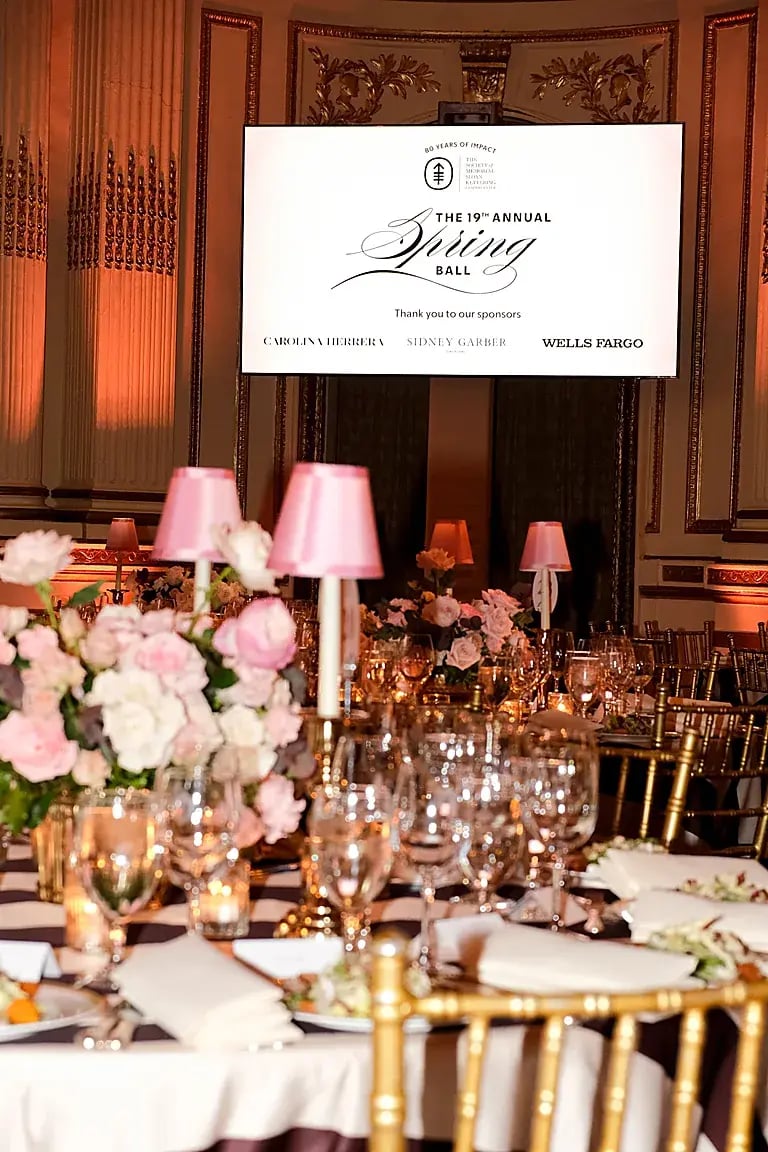
The Society of MSK’s Spring Ball at The Plaza Hotel, NYC. Photo by Brendon Cook / BFA.com © BFA
Set a marketing budget to boost ROI
Next, determine your marketing budget and break it down by channel, tactic, and individual costs. A larger budget opens the door to more expansive promotional efforts, while a leaner one may call for a more targeted and strategic approach.
Before deciding how much to allocate to different marketing needs, confer with clients and stakeholders to confirm how public they want the event to be. A headline-generating gala may need to pour resources into marketing channels like social media and press partnerships. By contrast, an exclusive, invitation-only event may gain more return on investment by focusing on personalized guest messaging and carefully managed media access.
Sometimes the goal is visibility, but sometimes it’s the complete opposite. Your budget allocations should reflect that to ensure you’re investing in the right kind of exposure — or the right kind of discretion.
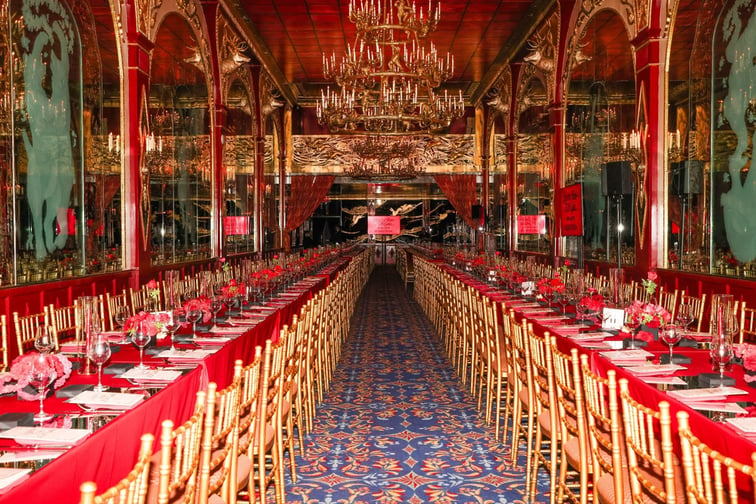
Creative Time 2026 Gala, The Russian Tea Room, NYC. Photo by Kevin Czopek / BFA.com ⓒ BFA
Build a timeline to stay on track
An event marketing plan needs a clear timeline to guarantee your messaging is timely and lands at the most opportune moments.
At a minimum, schedule a ballpark range for when you need to execute certain steps.
12 to 15 weeks out:
- Finalize branding
- Optional: Launch your event website
- Optional: Start a social media campaign if your KPIs include selling tickets or generating media coverage
6 to 10 weeks out:
- Send save the dates
- Reach out to media partners and sponsors to confirm commitments and coordinate promotional efforts
- For private VIP events, reach out to guests’ representatives
4 to 6 weeks out:
- Send formal invitations
- Optional: Gradually increase social media posting frequency
2 to 3 weeks before:
- Send reminder emails
- Confirm RSVPs
- Post a countdown on social media (optional) or the event page
For ultra-exclusive experiences like luxury fashion week events, 2 to 3 weeks before the event is when you should finalize details with guests’ representatives. Coordinate with them to organize travel, arrange accommodations, and confirm styling, wardrobe, and scheduling.
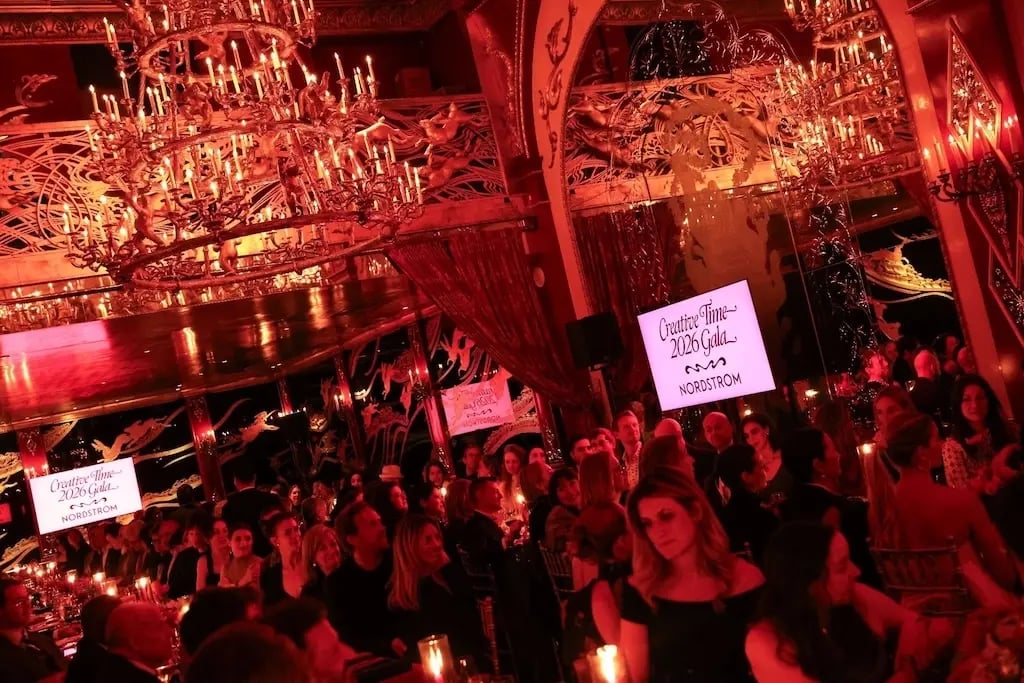
Creative Time 2026 Gala, The Russian Tea Room, NYC. Photo by Kevin Czopek / BFA.com ⓒ BFA
Create an event name, mission, and story to attract interest
Your event needs a name, but it also needs a story that explains its mission and goals. You want guests to understand the type of event it will be, as well as its purpose.
With VIP events, storytelling is everything. Not only does it give the event a sense of meaning, but it also gives potential attendees a reason to want to attend.
Here’s how to develop your event’s name, mission, and story:
- Choose an event name that conveys exclusivity: The name should identify what your event is all about, but it should also intrigue. Avoid generic names in favor of something more evocative, hinting at the type of experience guests can expect without giving it all away.
- Define your mission in one or two sentences: Be clear about what the event is for. For example, celebrating a brand milestone, raising funds for a cause, or fostering networking opportunities. The more focused your mission, the easier it will be to draft consistent messaging across different marketing channels.
- Develop a narrative around who’s attending: For VIP events, part of the story is who else is in the room. Start by securing a small group of marquee guests early. Their confirmed attendance becomes a way to attract other notable guests and sponsors. Without compromising guest privacy, hint at the caliber of attendees to signal that the room is worth being in.
As always, consistency is key. From invitations to personalized outreach, your event’s story should be recognizable at every touchpoint.
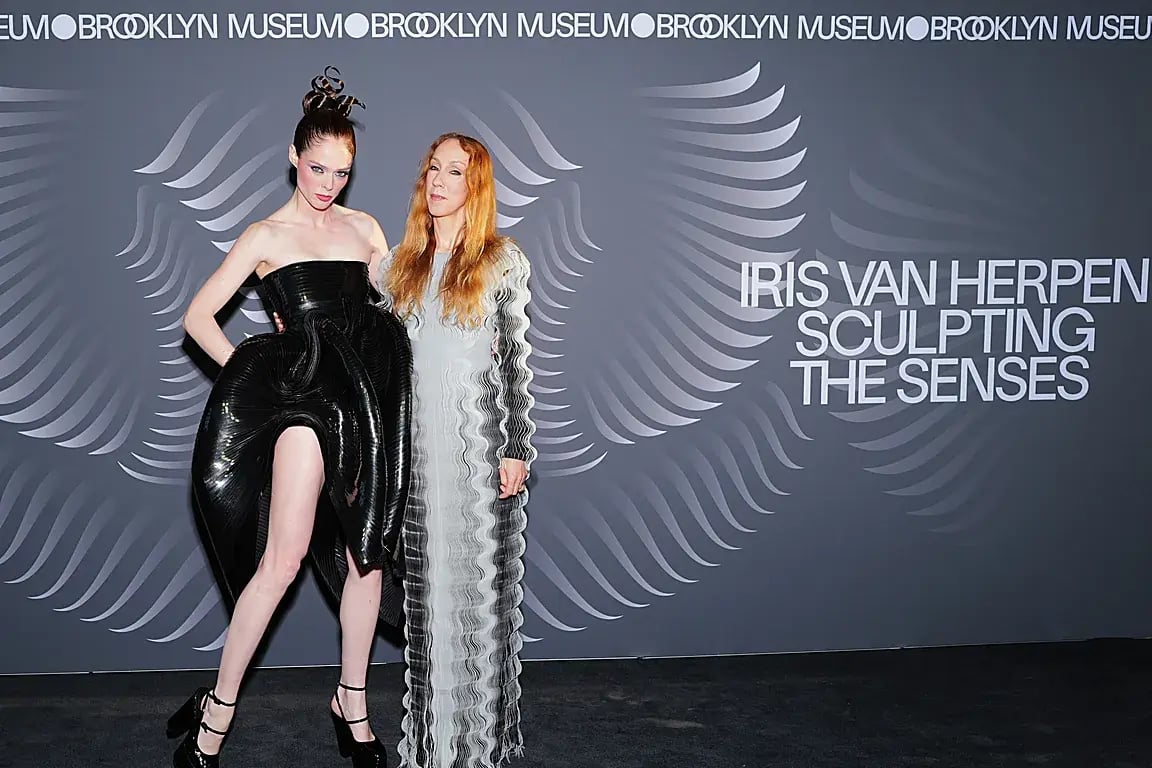
Coco Rocha and Iris van Herpen at Iris Van Herpen: Sculpting the Senses Celebrated at the 2026 Brooklyn Arts Ball, The Brooklyn Museum, Brooklyn, New York. Photo by Nicholas Hunt / BFA.com ⓒ BFA
Design a custom logo and brand identity
An effective event marketing plan must also include a custom logo and brand guidelines. The brand identity should be visible and consistent across all communications, including invitations, event websites, social media posts, and email campaigns.
The logo and any accompanying taglines should represent the brand and event mission, tailored to appeal to the target audience in all aspects: color, font, typography, and messaging. For the most exclusive events, restraint can speak louder than excess. A refined, cohesive identity will appeal more to a luxury audience than an identity that’s loud or tries too hard.
Learn more: How to approach event branding for VIP events
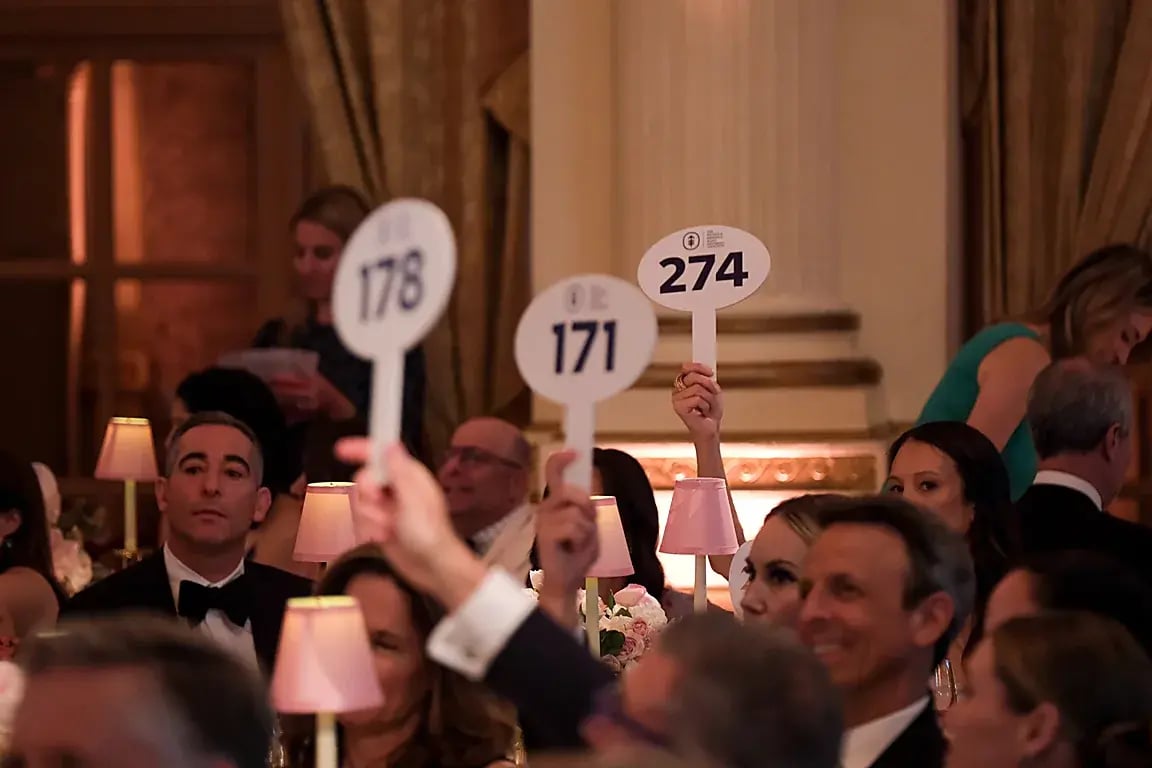
The Society of MSK’s Spring Ball at The Plaza Hotel, NYC. Photo by Brendon Cook / BFA.com © BFA
Create an event website that converts visitors into guests
It’s important to design an event website that will convert visitors into confirmed guests. To do this, include content that explains why the event is exclusive or matters. You can also include social proof like images from prior events, past guests’ testimonials, or press mentions.
Pages should be updated regularly with relevant event details leading up to the start of the event. Include clear, prominent CTAs to encourage RSVPs or registrations. Ensure the sign-up and registration processes are visible and simple to complete.
Always choose an easy-to-remember domain name for your website. With zkipster, you can also white label your email communications and online forms to create a consistent, branded journey for guests. With Wallet Pass you can create dynamic, branded event passes that live in your guests’ Apple and Google wallets and can be updated at any time, ensuring your event stays top of mind and guests always have access to up-to-date event information.
Before you launch your site, make sure it’s optimized for mobile use, as nearly 70% of all web visits come from mobile devices.
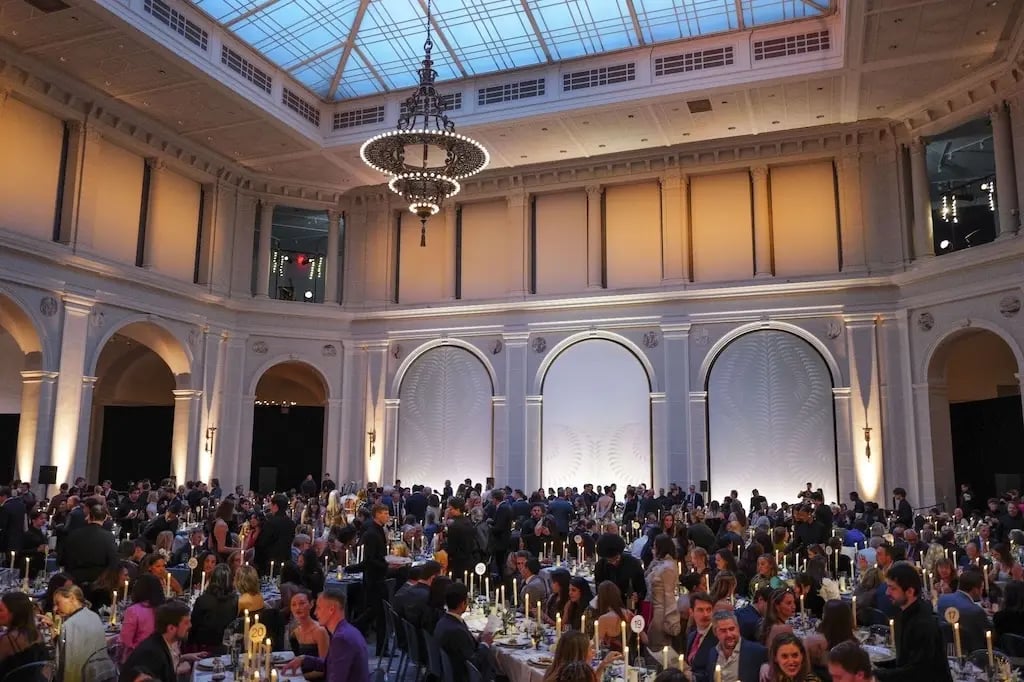
Iris Van Herpen: Sculpting the Senses Celebrated at the 2026 Brooklyn Arts Ball, The Brooklyn Museum, Brooklyn, New York. Photo by Nicholas Hunt / BFA.com ⓒ BFA
Identify and segment your target audience
Segmenting your guest list into distinct groups will make your invitations more effective, increasing attendee engagement and RSVPs by replacing one-size-fits-all communications with messaging that feels more intimate and relevant.
Not sure how to segment your guest list? Consider starting with some of these common examples:
- Past guests vs. first-time guests
- Donors (split by tier) vs. general supporters
- Press and ambassadors vs. corporate sponsors
- VIP and celebrity guests vs. non-VIP attendees
To get the most out of every communication, segment your guest list before you send any invitations or marketing communications.
When tailoring your messaging for each segment, think about what will motivate them to show up. For example, donors returning to a gala are more likely to care about the event’s impact and results. First-time guests will want to know what makes the event special or worth attending. VIP and celebrity guests, on the other hand, will want to know what the experience will look like, who else will be there, and how their attendance will be represented — or protected — in the press. They also may want to know what value the event holds for them professionally.
Learn how zkipster Audience helps top event planners create dynamic segments and highly curated guest lists for exclusive events.
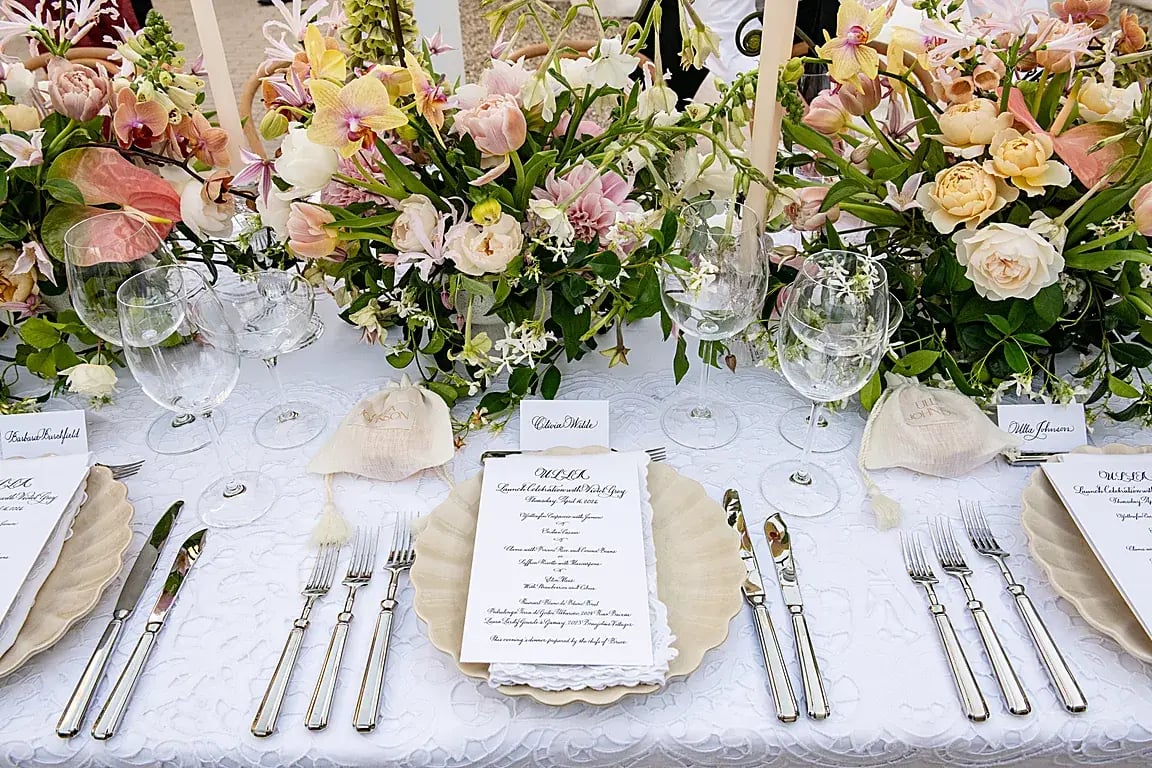
Ulla Johnson Celebrates the Launch of Ulla, West Hollywood, California. Photo by Steve Lucero / BFA.com ⓒ BFA
Send personalized event invitations
The attendee experience begins the moment an invitation arrives. The language and design of your invitations should convey logistics, but should also make the recipient feel chosen.
Ultra-exclusive events in particular demand eye-catching, one-of-a-kind invitations, so avoid generic phrasing. Instead, write copy that appeals to the interests of each guest, acknowledging their significance and building anticipation for what’s to come.
Luxury event planners use zkipster Communications to create stylish invitations and communications for save the dates, invites, wallet passes, and more. The most exclusive events often make their first impression with the invitation itself. For some, that means a beautifully crafted physical invitation. Others may prefer to rely on digital invitations and messaging to deliver the same sense of occasion, while some, like Marché du Film at the Cannes Film Festival, use a combination of both.
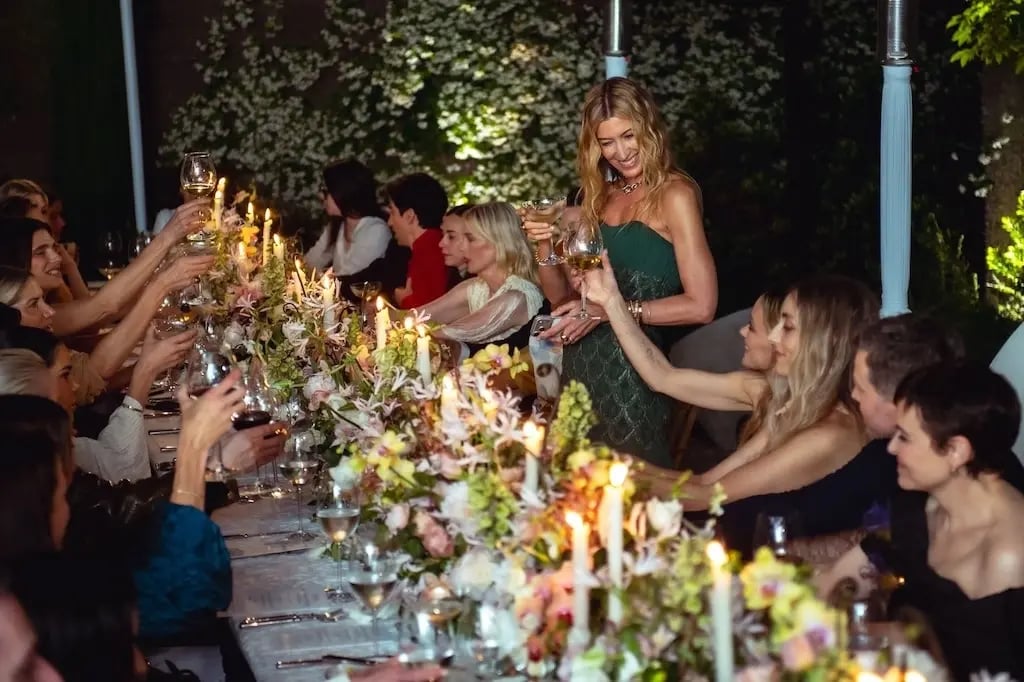
Ulla Johnson Celebrates the Launch of Ulla, West Hollywood, California. Photo by Steve Lucero / BFA.com ⓒ BFA
Increase attendance with customized email communications
It’s not enough to send beautiful invitations. For exclusive events, personalized follow-up communications are a must.
Any messaging you create for a specific guest segment should continue through your email marketing campaign. For example, top donors or VVIPs should receive different communications than sponsors or first-time invitees.
While all guests and sponsors may have the same exposure to anything you choose to post on social media, tailored communications via email or text can help create deeper connections to the event.
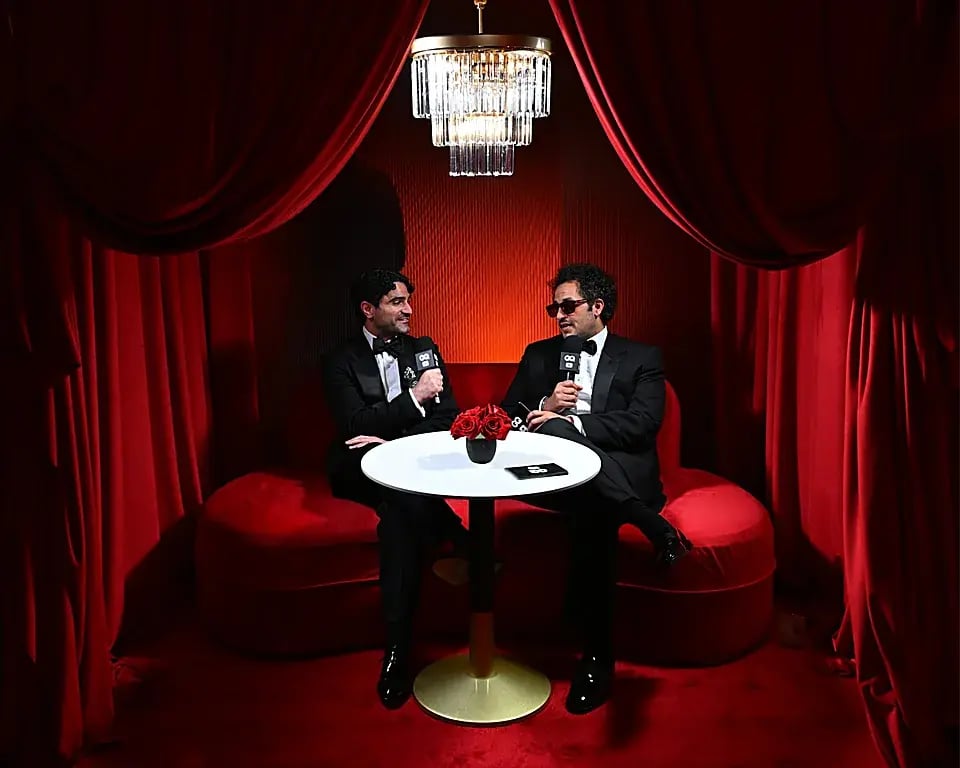
Inside the GQ Afterparty Celebrating Fashion’s Biggest Night, Cafe Zaffri at The Twenty Two, NYC. Photo by Zach Hilty / BFA.com ⓒ BFA
Promote your event via social media or exclusivity tactics
Social media may seem like the easiest, most effective way to promote a great event. And for some events, it is.
But if you’re hosting an ultra-exclusive gathering with stakeholders who prefer less public attention than more, it’s best to rely on exclusivity tactics rather than a large-scale social campaign.
Promoting exclusive events
Exclusivity tactics run the gamut from curating an appealing guest list that makes other VIPs want to attend to establishing a waitlist that creates the perception of limited availability and increases the desire to attend. Other effective tactics include tiered invitation rollouts that create buzz by inviting the most “inner circle” guests first and communicating with language that emphasizes exclusivity, such as “select group” or “by invitation only.”
Promoting public events
Social media is best for public events that rely on ticket sales or want media exposure. Paid advertising can also be helpful in selling tickets, and invite-only VIP events often lean on brand ambassadors and partners to promote events in person, in the press, and through social media channels.
Even without brand ambassadors, you can drive engagement with regular posts that build excitement leading up to the event.
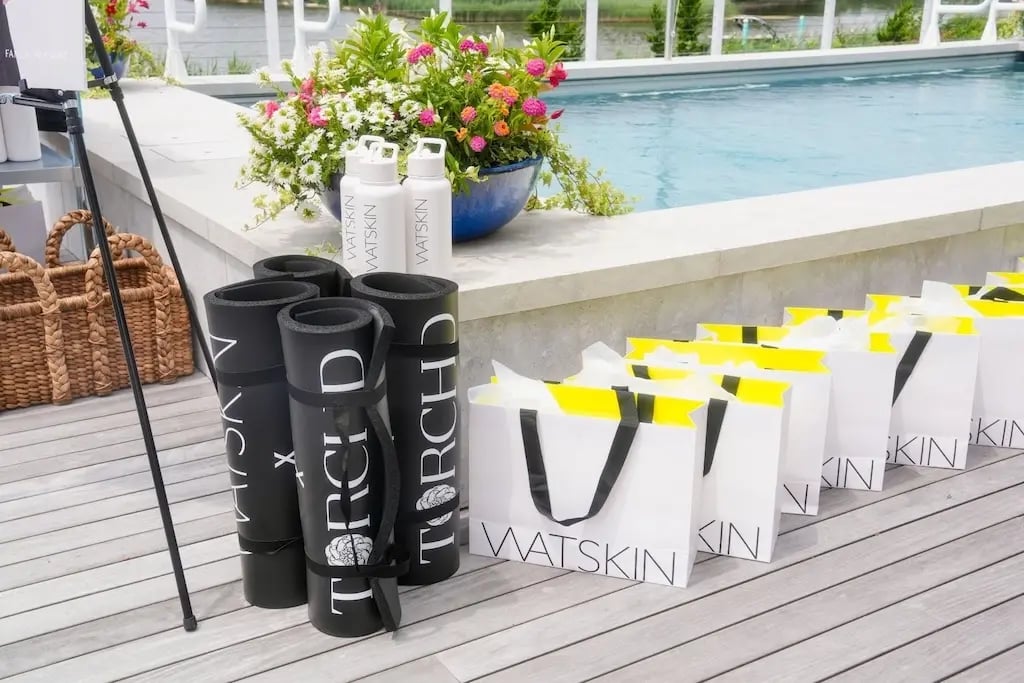
Watskin’s First Annual Hamptons Wellness Event Hosted by Founder Lois Robbins With Fitness Guru Isaac Boots and Skincare Brand Peter Thomas Roth at a Private Residence, Water Mill, NY. Photo by Sabrina Steck / BFA.com © BFA
Secure sponsorships to expand reach
Securing strategic sponsorships and partnerships isn’t just a way to boost your marketing efforts. It’s a way to boost ROI and increase the overall success of your event.
Sponsors can boost your marketing efforts when they promote the event through their own social media posts and platforms. And when it’s a high-profile event, most sponsors will be more than eager to do so.
If it’s an ultra-exclusive, low-profile event where stakeholders prefer to avoid public attention, let your sponsors know that while the event won’t increase brand awareness through public promotion, they will benefit from getting their product or service in front of the right people. Make it clear that your event guests are their target audience, and that sponsorship may offer direct access to those guests through their presence at the event.
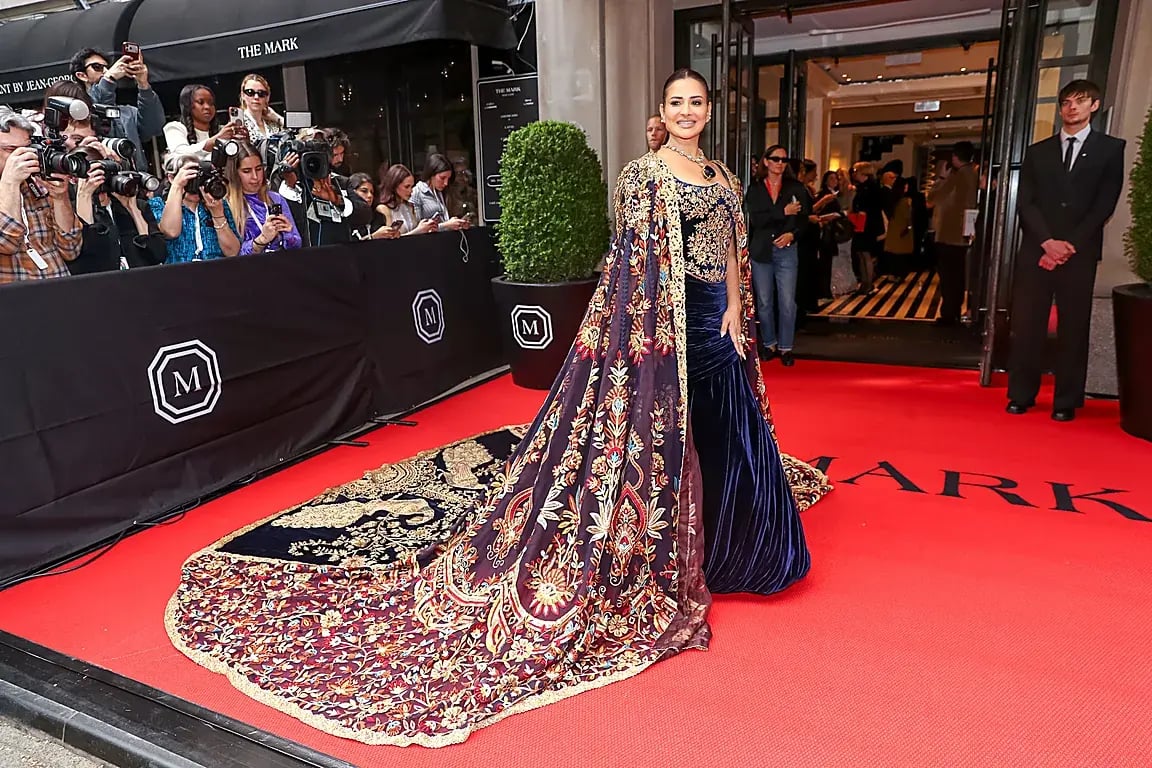
Met Gala 2026 at The Mark Hotel, NYC. Photo by Neil Rasmus / BFA.com ⓒ BFA
Find media partners to boost PR
If you want your event to garner lots of attention, securing media partners should be part of your event marketing strategy. Press releases and pre-event media exposure generate excitement in the weeks and days leading up to the event, while live updates and curated sneak peeks increase global exposure. Yes, even if the event is limited to a small, invite-only guest list.
It’s also important to have layers of media access and exposure. For example, some events will have a red carpet or step and repeat flanked by event and press photographers taking photographs for distribution through BFA and other media channels.
Once guests are inside the event, and depending on the level of exclusivity, you may prefer to forgo photographs altogether or carefully curate a selection of images taken by a single roving photographer.
Some events, like the Vanity Fair Oscar Party, go a step further and create a photo studio for posed portraits inside the event. This creates an environment where VIP guests aren’t under press scrutiny and have the opportunity to approve the photos taken and released. This setup also helps to create a rarefied atmosphere that will encourage VIP guests to keep coming back to your events.
You might like: How to plan a luxury event like a world-class event planner
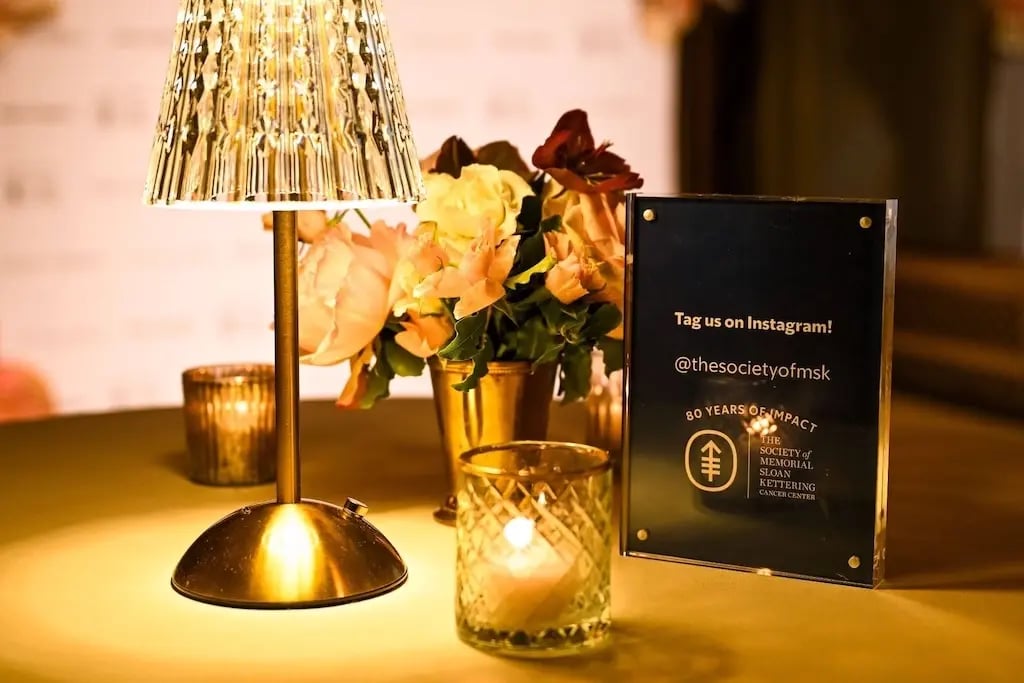
The Society of MSK’s Spring Ball at The Plaza Hotel, NYC. Photo by Zach Hilty / BFA.com © BFA
Improve guest satisfaction by gathering live feedback during the event
Boost the attendee experience by encouraging guests to express their feelings about the event while they’re still on site. Create an event hashtag and suggest that guests post while they’re at the event venue, if appropriate for your event.
Gathering real-time data and analyzing your event hashtag post-event can provide valuable insights that can help you measure success and better plan future events. The conversations happening around your hashtag can also reveal candid guest and follower sentiments that might not surface in a formal post-event survey.
zkipster’s event reporting tools provide actionable data in real time, enabling you to track arrivals and monitor attendance as the event unfolds. After the event, your check-in data is immediately available to export and share with stakeholders, with no waiting time for manual reports to be compiled.
Continue to market your event after it ends
When appropriate, market your event on social media and through email communications with guests and sponsors when the event is over. This type of follow-up encourages guests to share their event experience with others and gets them excited to attend your next event.
A post-event survey sent to guests within 24-48 hours of the event is another valuable tool, not only for gathering feedback but for keeping your event top of mind while the experience is still fresh. Make your survey short and easy to complete to encourage responses, then use those responses to sharpen your approach to future events.
FAQs about event marketing plans
Why is event marketing important?
For many events, marketing is a way to sell tickets and attract an audience. For VIP events, it’s about developing relationships and emotional connections, fostering brand loyalty, and creating memorable, exclusive experiences.
What are the five key elements of event marketing?
The five key elements of event marketing are sometimes referred to as the “five Ps.” They include:
- Product: the event experience or programming
- Price: the perceived value, cost, and social capital of attending
- Place: the event venue, which should reinforce exclusivity and/or reflect the event’s theme
- Promotion: your marketing materials and overall strategy, such as personal outreach and targeted buzz vs. mass advertising on social media
- People: your target audience and attendees; sometimes the other people on the guest list are part of the event’s appeal
How do you create an effective marketing plan?
The key steps to creating an effective marketing plan include defining your event goals, setting marketing goals, developing marketing strategies, executing and implementing the marketing plan, and analyzing the plan post-event to evaluate overall event success.
How can event management software help you market a VIP event better?
Pre-event, an event management software platform like zkipster can help you market your event to different segments, helping you create a personalized, custom, and exclusive luxury experience for each guest. During the event, zkipster can improve the guest experience by creating seamless check-in points and tracking attendance in real-time. Post event, you can draw on the RSVP and attendance data you’ve gathered to inform your future VIP event marketing strategy.
Header image: Inside ‘The GQ Afterparty’ celebrating Fashion’s Biggest Night at Cafe Zaffri at The Twenty Two, NYC. Photo by Zach Hilty / BFA.com © BFA